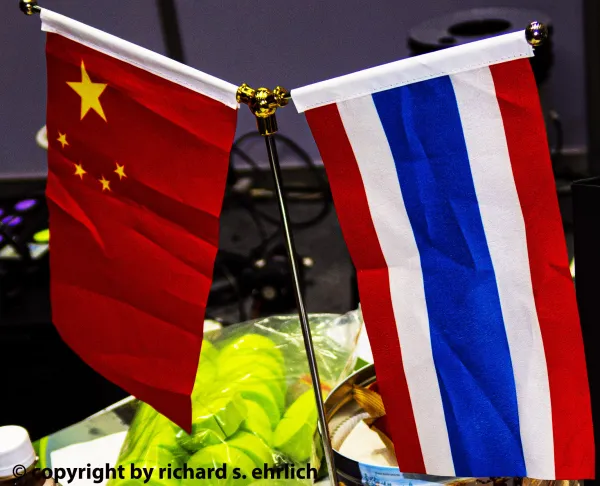
BANGKOK, Thailand -- China's Belt and Road Initiative projects are being scrutinized in Thailand after Myanmar's 7.7 earthquake pancaked a 30-floor building 600 miles away which Chinese engineers were constructing in Bangkok.
The incomplete skyscraper was the only building to collapse in the lightly damaged Thai capital.
The disaster exposed allegedly substandard steel reinforcing rods which had snapped, reducing the building to a huge rubble pile which crushed about 87 construction workers including 15 confirmed dead and 72 who disappeared.
"I watched multiple clips of the building collapse from different angles," a stunned Thai Prime Minister Paetongtarn Shinawatra said.
"From my experience in the construction industry, I have never seen an issue like this.
"We must investigate thoroughly because a significant portion of the budget was allocated, and the deadline for completion had been extended," Ms. Paetongtarn said.
The investigation began with a bizarre, troubling sight.
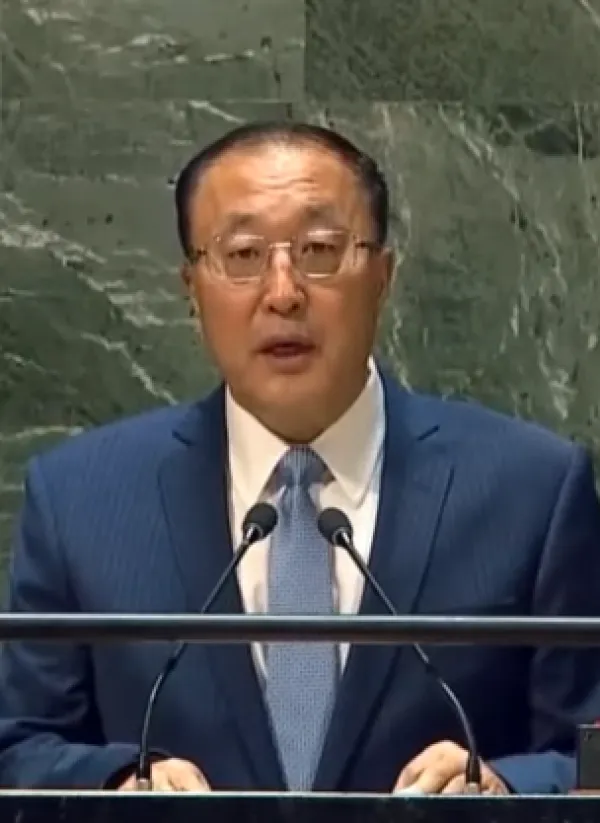
On February 22, 2024, China's Ambassador to The Hague, Zhang Jun, uttered the unexpected.
His testimony, like that of a number of others, was meant to help the International Court of Justice (ICJ) formulate a critical and long-overdue legal opinion on the legal consequences of Israel’s occupation of Palestine.
Zhang articulated the Chinese position, which, unlike the American envoy's testimony, was entirely aligned with international and humanitarian laws.
But he delved into a tabooed subject—one that even Palestine's closest allies in the Middle East and Global South dared not touch: the right to use armed struggle.
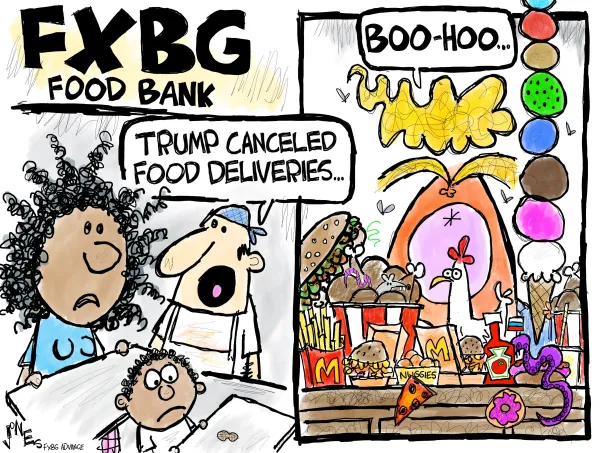
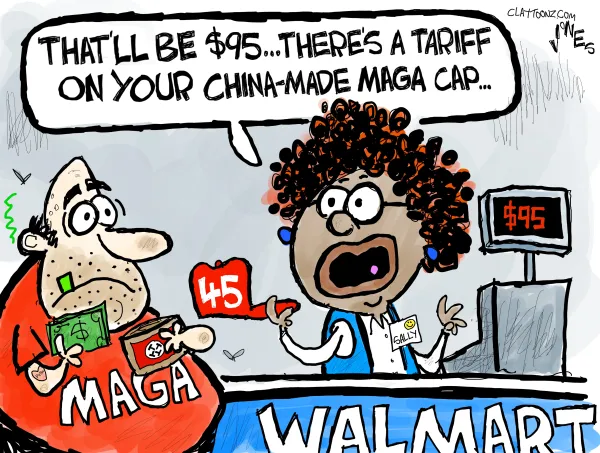


President Donald Trump has said “tariff” is “the most beautiful word in the dictionary.” He claims tariffs will restore American trade supremacy, bring lost jobs back to the United States, and most bizarrely, replace income taxes.
Tariffs can be a useful tool to regulate global trade in the interest of jobs, wages, labor rights, the environment, and consumers — if applied correctly.

Earlier this week on April 2, members of the Columbus branch of the National Association for the Advancement of Colored People (NAACP) woke up expecting to participate in a long-delayed election. By 9am they were supposed to receive an email link. A link that would allow them to cast votes, decide leadership, and carry forward an institution with more than a century of movement memory.
But the link never came.
For hours, there was silence. Confusion circulated through inboxes, group chats, and whispered phone calls. Had the election been delayed again? Was there a glitch? Had someone forgotten to hit “send?”
It wasn’t until nearly noon – three full hours after voting was scheduled to begin – when members received an email from the NAACP’s national office. The message, sent twice, contained a memo from Ericka Cain, Vice President of Governance, Compliance and Training. It explained that a court had issued a temporary restraining order, halting the election.
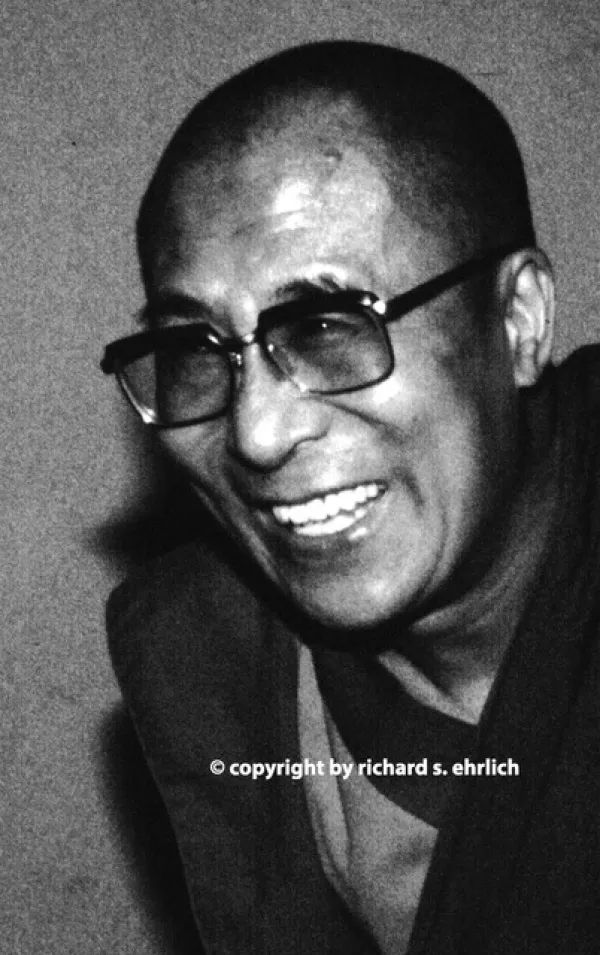
BANGKOK, Thailand -- The Dalai Lama's dangerous escape into India on March 31, 1959 fleeing Communist Chinese troops seizing Tibet, prompted the CIA's secret financing, training, arming, and parachute-dropping of Tibetan guerrillas into their homeland four months later.
On the 66th anniversary of that epic escape, India's Arunachal Pradesh state government, for the first time, opened a six-day public "Freedom Trail, Route of His Holiness the 14th Dalai Lama" trek on foot from the border into India following the original passage.
The unprecedented event may irk Beijing which began invading Tibet in 1951 and denounces the Dalai Lama as subversive.
The March 31-April 5 trek's main purpose however is to attract tourists and pilgrims to the mountainous route which showcases the Dalai Lama's historic journey and the Buddhist shrines, monoliths, stupas, and displays along the way.
Fearing execution or imprisonment, the Dalai Lama escaped from his gigantic, fortress-like Potala Palace in 1959 and began a dangerous two-week trek on horses and yaks southeast across Tibet's glacier-covered Himalayas and steep valleys to reach the Indian border.
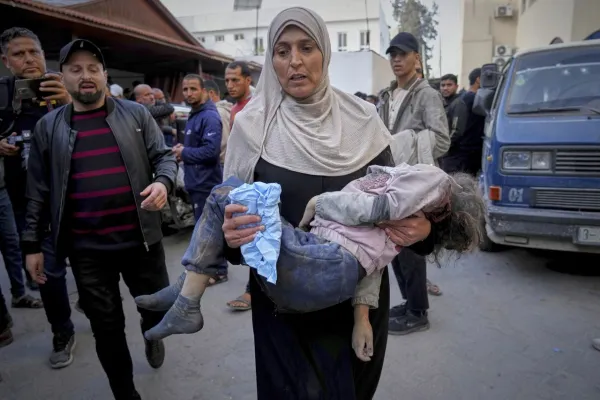
The global trade war was launched yesterday officially by the Trump regime.
It is one of the last gasps and "lashing out" of a dying US empire. A
global recession will follow but the biggest losers will be the western
world (primarily US and EU) and its lackeys (those who tied their future
with it like the Palestinian and other Arab "leaders"). My advice to them
and others: end the genocide now and get rid of your US $ and any
investments you have in multinational corporations tied to
imperialism/Zionism (and thus to genocide) and focus on how to feed people
in an era of climate change and job elimination (due to AI etc). Boycotts,
divestment, sanctions will make the period of pain shorter as a new world
order is being born (see bdsmovement.net). Dare we hope for a new era of
peace, equality, free trade, and sustainability?
National day of action 5 April https://handsoff2025.com/
Stop the genocide. March on Washington 5 April
https://marchforpalestine.org/