F-Bombs Over Broadway

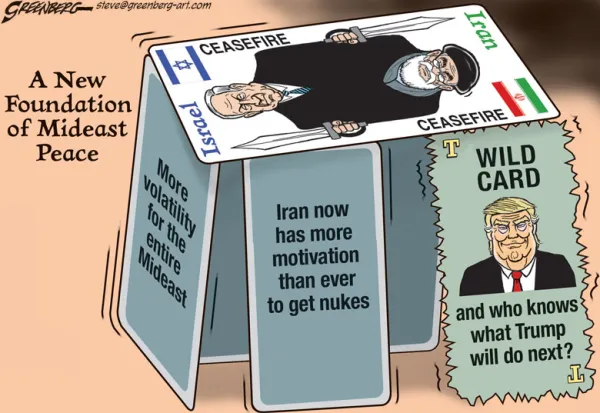
House of Cards
Warnings Of A Possible Coup
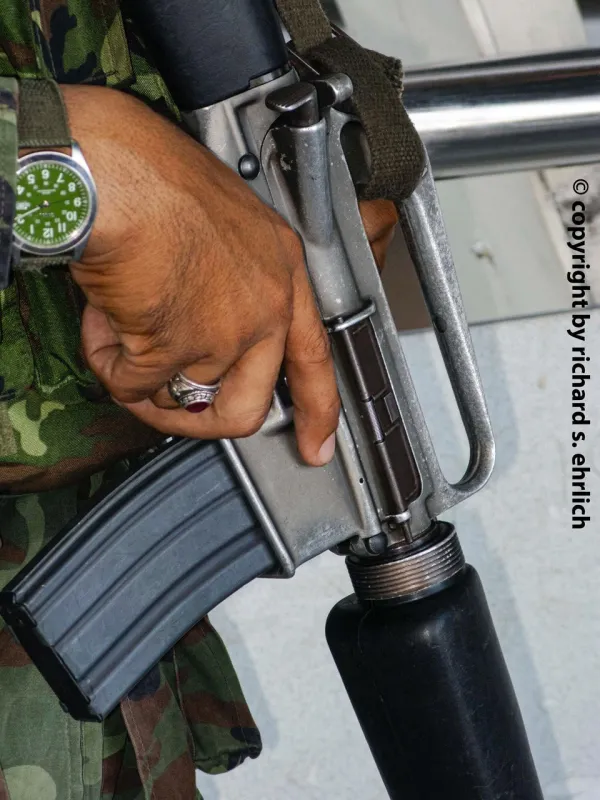
BANGKOK, Thailand -- Thailand's embarrassed and disgraced Prime Minister Paetongtarn Shinawatra resisted demands on June 25 that she resign, shrugging off warnings by politicians, analysts and the media of a possible military coup after she criticized a Royal Thai Army commander during a leaked phone call with Cambodia's de facto leader Hun Sen.
"Analysts said another coup would create more problems than it would solve. It would be a disaster for the country, which has still not fully recovered from the consequences of the previous coup in 2014," the conservative Bangkok Post warned in a June 20 editorial.
"Despite assurances from the army chief about protecting democracy, concerns are mounting over a possible military intervention," Bloomberg news reported on June 20.
Ms. Paetongtarn faces a no confidence vote in parliament on July 3, and a hearing at the Constitutional Court on July 8 inquiring into her leaked conversation with Hun Sen.
Either action could end her prime ministry.
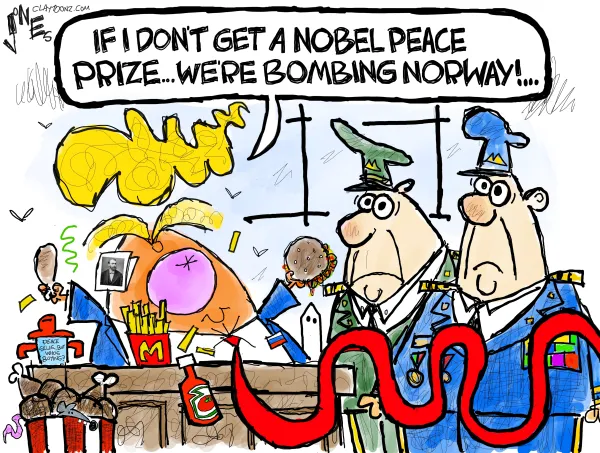
Bombs Over Norway
The Real Winners: The Strategic Fallout of the Israel-Iran War
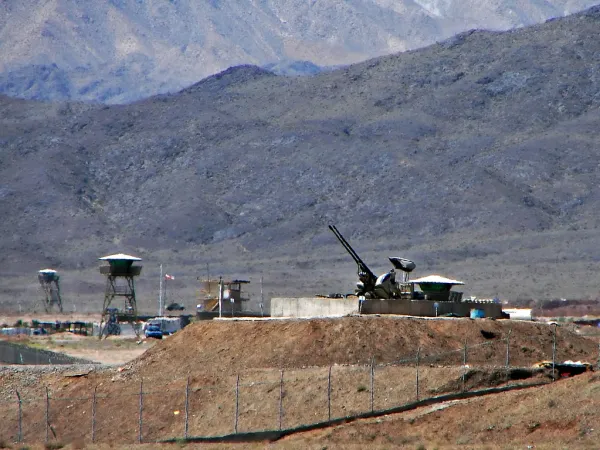
On June 24, US President Donald Trump announced a truce between Israel and Iran following nearly two weeks of open warfare.
Israel began the war, launching a surprise offensive on June 13, with airstrikes targeting Iranian nuclear facilities, missile installations, and senior military and scientific personnel, in addition to numerous civilian targets.
In response, Iran launched a wave of ballistic missiles and drones deep into Israeli territory, triggering air raid sirens across Tel Aviv, Haifa, and Beersheba and numerous other locations, causing unprecedented destruction in the country.
What began as a bilateral escalation quickly spiraled into something far more consequential: a direct confrontation between the United States and Iran.
On June 22, the United States Air Force and Navy carried out a full-scale assault on three Iranian nuclear sites—Fordow, Natanz, and Isfahan—in a coordinated strike dubbed Operation Midnight Hammer. Seven B-2 bombers of the 509th Bomb Wing allegedly flew nonstop from Whiteman Air Force Base in Missouri to deliver the strikes.
Some Nations Become Concentration Camps — And Stay That Way
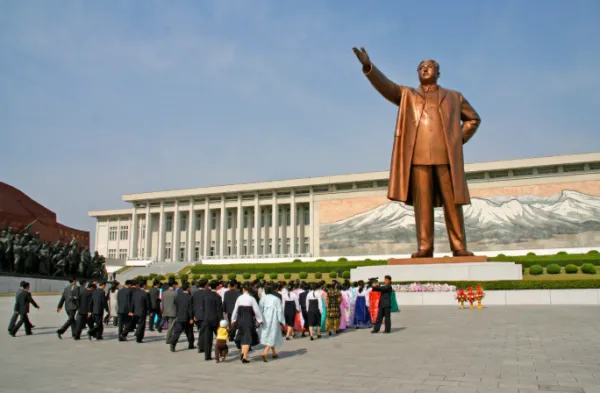
The belief that all people are equal and want peace is comforting. But comfort does not make it true.
The 20th century offered a brutal lesson: whole nations can be reshaped by totalitarian rule until their populations lose the moral instincts of free societies. And unless force intervenes, they do not return to normal on their own.
We see this in the starkest form in North Korea. One bloodline, one culture, and one language split in two by ideology. The result? One half of Korea became a global democracy; the other became a dynastic death cult. Over decades, North Koreans have been deprived not just of material comforts, but of history, truth, even selfhood.
They have not simply been ruled by terror. They have been reprogrammed.
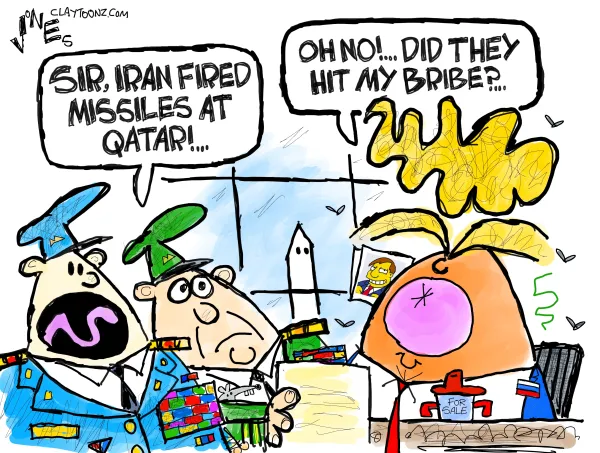
Trump Bribe Blow Up
Sinkane Interviewed
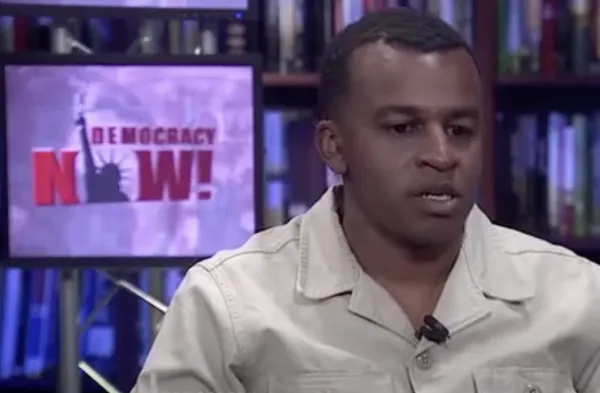
Ahmed Gallab’s Parliament meets Radiohead band Sinkane exists as exemplification of the potential of a Columbus artist. Sinkane’s latest release City Slang We Belong is a scorcher which anyone that likes Parliament, Prince, and LCD Soundsystem would find pleasing.
Ahmed attended OSU. Ahmed played at Cafe Bourbon Street, and the Legion of Doom. Sinkane has performed on Democracy Now and several other TV shows.
Which is the selling point for We Belong? Beastie Boys or Okay Afrika? Sinkane’s We Belong is co-produced by the Beastie Boy’s sampling into live instrumentation guru Money-Mark.
Sinkane’s We Belong features a crooning from Bilal. Features don’t overshadow Sinkane but Soulquarians’ Bilal does indicate Sinkane’s musical altitude. Bilal singing does signify Okay Africa press is an underrated music accolade.
Sinkane lives in New York City where he has shared stages with both Pharaoh Sanders, and Femi Kuti. Sinkane makes world music that people who love Bad Brains would appreciate.
Deadly Emerald Triangle Feud In Leaked Confidential Call
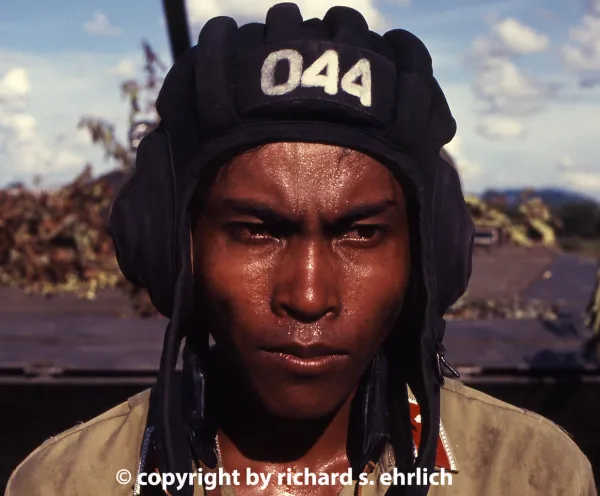
BANGKOK, Thailand -- A deadly Emerald Triangle border feud between Thailand and Cambodia has worsened to include economic boycotts, frontier closures, disputed claims over Hindu temples north of Angkor Wat, and an embarrassing, trust-breaking leaked phone call between the two nations' leaders about Thailand's military.
Also at stake is Thailand's political stability and survival of its fragile, rival-packed coalition government which is denying perceptions of being obsequious and soft on Cambodia while the Royal Thai Army favors a strong response.
Claiming to defend their side of the frontier, Thai armed forces shot dead one Cambodian soldier on May 28 in jungle and scrubland known as the Emerald Triangle where eastern Thailand, northern Cambodia, and southern Laos meet.
The Thai-Cambodian border includes a no man's zone that is not officially demarcated, attracting human and wildlife traffickers, illegal loggers, smugglers, fugitives, and other criminals.
US Rep. Max Miller: Another genocidal anti-Palestinian playing the wild victim card