
Opinion

No one needs to tell the Freep how bad some Ohio State off-campus landlords can get. Their uncaring and second-class treatment of students and non-students alike has been well-documented for decades.
So, it’s no surprise one of the biggest off-campus property managers and owners sent out the following email late last month to hundreds of tenants:
“We understand that some of our tenants have lost hours at work due to working on campus. However, rent is still expected by the 1st of every month and late fees will still apply. Please do not call the office or email us about this since everyone is still expected to pay rent in a timely fashion.
PS. Please refrain from flushing any items other than toilet paper.”
The Freep would like to name the off-campus property management team that sent this to their tenants, but according to its owner they have been receiving death threats.
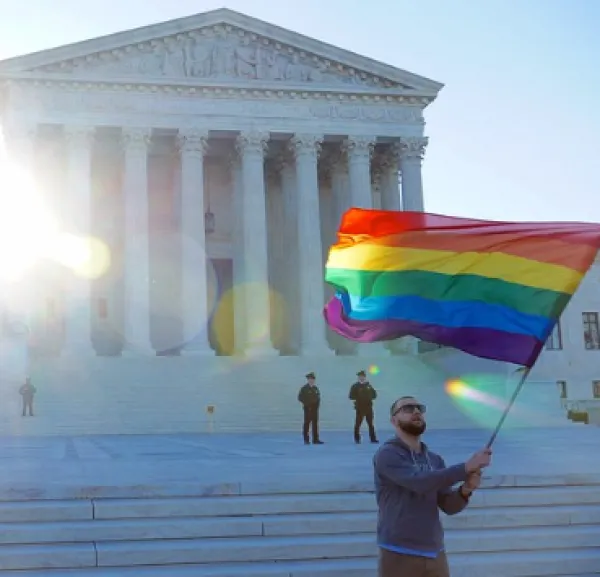
I grew up the youngest of six children in a home where LGBTQ people and issues were not discussed, except for the occasional derogatory comment. I knew from a young age that I was gay but I kept it to myself for many years out of fear of rejection.
At 17, I met a boy and we began dating. He told his parents about our relationship and they responded with acceptance and love. So I found the courage to come out to my parents. It was a very different experience. They kicked me out of the house and didn't speak to me for many years.
I finished high school and took a job as an executive assistant at an advertising firm. I loved that job. One day, when my boss and I were talking, she asked me about my weekend. I told her I spent time with my boyfriend. She said, “You’re gay?” I said yes. Then she fired me and said I should be out by the end of the day.
Many people may not realize that it is still legal in 30 states to fire someone for being gay. I can tell you discrimination is alive and well, I’ve lived it not just at home, but at work.
Q: How did you take the news of the pandemic?
A: I think I took it the way most people did. Initially, there was hope that it could be controlled, localized. But things took a very different turn and the epidemic spread far and wide. Unprecedented measures and decisions became necessary. Leaders, citizens and international organizations found themselves in an extremely difficult situation. All of this will have to be thoroughly analyzed, but the priority now is to take things in hand and defeat this new, vicious enemy.
Q: How do you assess the measures now being taken?
A: The main concern must be people’s security and saving people’s lives. I assume that the steps now being taken are based on science and the advice of the most competent experts. Right now they are practically unanimous that lockdown is necessary. This is something both the authorities and the people must accept. A lot depends on people’s behavior. Utmost responsibility and discipline is of the essence. Then we may hope that the worst could be avoided.
Voting by mail should replace voting at the polls in it's entirety. The two
institutions that can definitely be trusted is the County Board of Elections
and the United States Postal Service. The money saved by eliminating the
need for poll workers could be used to offer free postage on the envelopes
used to vote by mail. The person voting would also have more time to
consider what they are voting for and would not be confined to the hours
of the polling place. It would also prevent unwanted entry to schools and
churches from anyone trying to harm someone. In addition the voter would
not be harassed by someone trying to place unsolicited campaign literature
into their hand. The additional revenue would boost the Postal Service
and perhaps keep it afloat until we as a country are able to vote online.
Voting by mail would solve the registered voter problem and guarantee safe
passage of the ballots to the County Board of Elections.
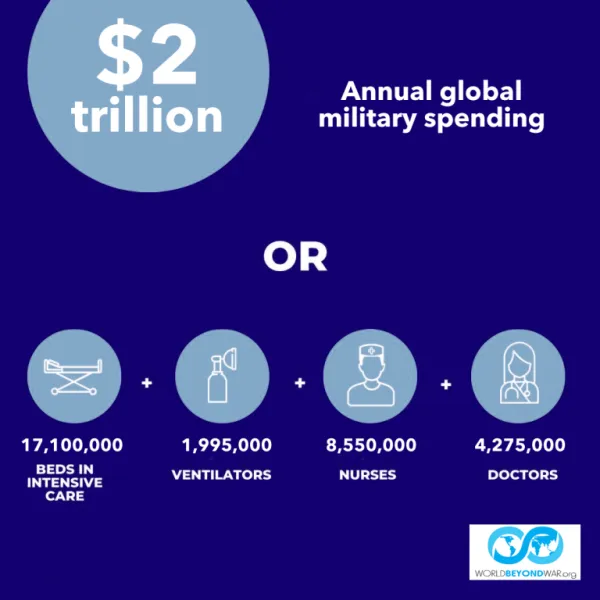
When a few thousand people were murdered on September 11, 2001, I was actually stupid enough – I kid you not – to imagine that the general public would conclude that because massive military forces, nuclear arsenals, and foreign bases had done nothing to prevent and much to provoke those crimes, the U.S. government would need to start scaling back its single biggest expense. By September 12th it was clear that the opposite course would be followed.
Since 2001, we have seen the U.S. government dump over a trillion dollars a year into militarism, and push the rest of the world to expend another trillion dollars a year, much of it on U.S.-made weapons. We’ve seen the creation of permawars, and the normalization of long-distance, push-button murder with drone wars. All of this has generated more terrorism in the name of fighting it. And it has come at the expense of actual defense.
A government agency aimed at actually defending people from actual dangers would cease activities that are counter-productive, that cause major environmental and climate destruction, and that consume resources that could be put to good use. Militarism meets all of those criteria.
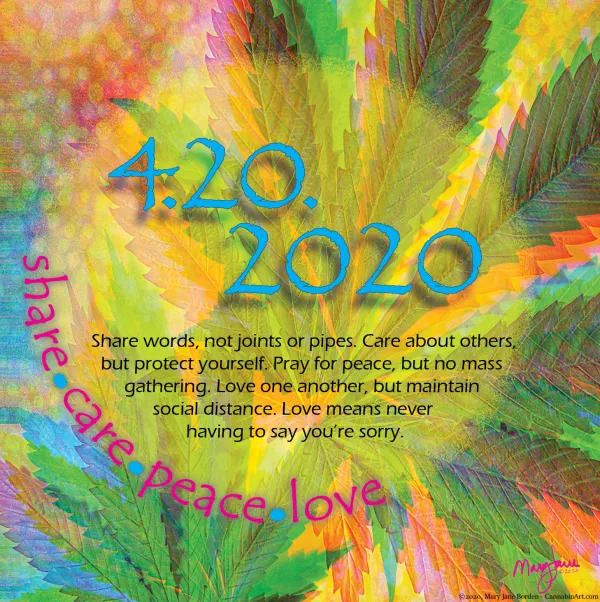
“420 in 2020. The classic cannaholiday is April 20th, which as the 4th month of the year, is abbreviated 4/20. In 2020, that makes every day in April 4/20! Thus, April 20th specifically becomes 4/20/20, or 4/20/2020. Further, twenty minutes after 4 o’clock that day – 4:20 am or 4:20 pm – will be 4:20 on 4/20 in 4/20 or 4:20 on 4/20/2020.” Mary Jane’s Guide, January 2020
The cannaholiday 420 was to have been so special this year. After all, this is 2020, and during April as the fourth month, every day is 4/20. That includes the infamous 20th day, aka 4/20. There will be no similar date configuration any time soon. 4/20/2021? No. Or 4/20/2120? Not quite. Or 4/20/4200? Closer.
You can see 4/20/20 in the dreamer’s eye. Celebrations in 100 cities worldwide. Thousands gathered on college campuses, by city squares and in public parks. Smoke wafts above the crowds, banners unfurl in the wind and music fills the air. Revelers are extolling the herb, while speakers are demanding social justice. Keep that memory in your heart.
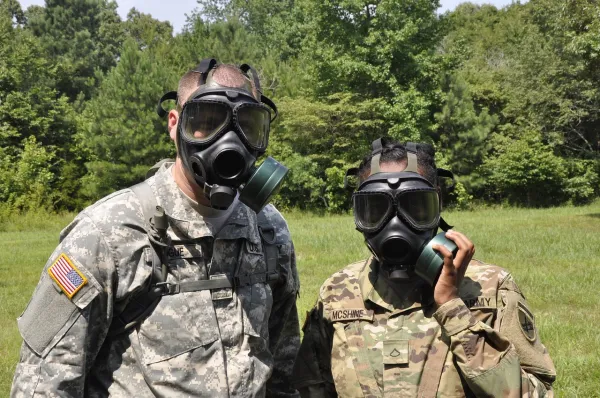
The United States has been at war almost continuously since the founding of the nation in 1783. Some of the wars were undeclared like the centuries-long eradication of the native Americans, while others – the Mexican and Spanish-American wars – were glorified by including the names of the countries defeated by Washington’s war machine. America’s bloodiest war actually has multiple names, including the Civil War, the War Between the States, The War of the Rebellion and the War of Northern Aggression, allowing one to pick and choose reflecting one’s own political preferences.
What if the vaccine that’s eventually developed is so large in scope it includes the words of UN Secretary-General António Guterres and Pope Francis?
I revisit Guterres’ words of a week ago: “The fury of the virus illustrates the folly of war. That is why today, I am calling for an immediate global ceasefire in all corners of the world. It is time to put armed conflict on lockdown and focus together on the true fight of our lives.” We must, he said, “silence the guns; stop the artillery; end the airstrikes . . . to help create corridors for life-saving aid. To open precious windows for diplomacy.”
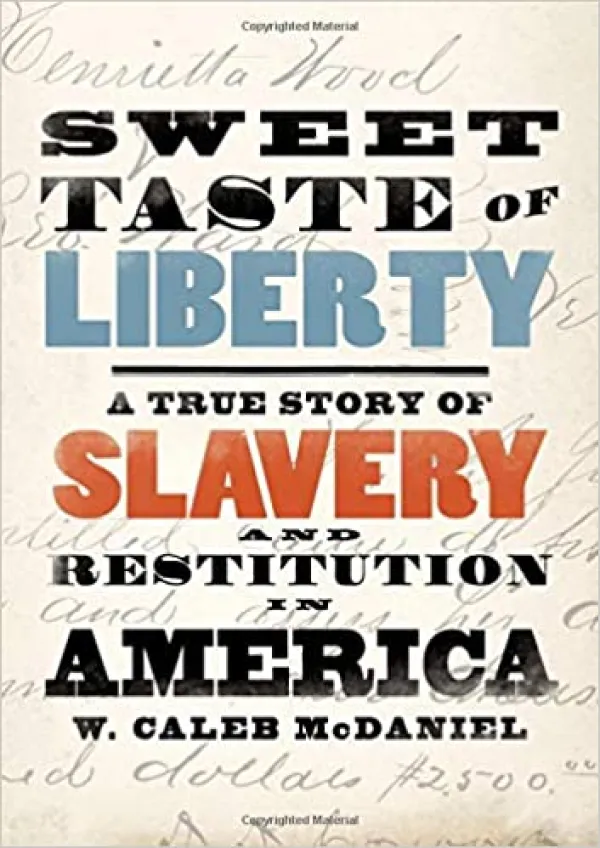
Since the movie Twelve Years a Slave came out in 2013, there have been a number of excellent books published that focus on slavery outside of the south, and how tenuous freedom was for free born or manumitted blacks. Both categories of books force us to grapple with two issues rarely taught school children. The students in my African American History Before Emancipation class are always shocked to learn that slavery existed all over the United States and being free with the documents to prove it did not necessarily keep blacks from b eing forced into slavery through a variety of nefarious schemes. To be black and free in the north was like skating on incredibly thin ice. And thus, we come to the story of Henrietta Wood.
Acording to a Billboard interview Barbara has decided to add politics to her music. She's hgas written 15 for the Huffington post, why not just sing it. You don't have to be in Italy to sing :)
Love you Barbara, you do it best!