
Opinion

We are all grieving. For the loss of simply being able to hug friends and family; to gather at the local watering hole and share a drink with friends, old and new. We’re grieving the loss of routines and patterns of life, of normalcy.
I think we’ve moved past denial. Many of us are pissed off at the “stupid virus” as my grandson and I call it.
We’re all bargaining “I’ll wear my mask in the grocery store but not in the park.” Not that there’s any real entity to bargain with.
Depression? Oh yeah. We are all experiencing some level of depression: loss of “normal,” freedom, hugs!
Acceptance, I guess so. We all have a stash of face masks and hand sanitizer at the ready. We’re starting to accept that this virus will most likely be with us, in some form, for a long time to come. That is the new normal. For now.
So, where do we go from here? How do we move forward? Remember the quote from Emmanuel?
“Your life is not your master, it is your child.” The mirages of people’s minds become the reality of their lives, whether they have any conscious intention or not.
So, what DO you want in 2022?
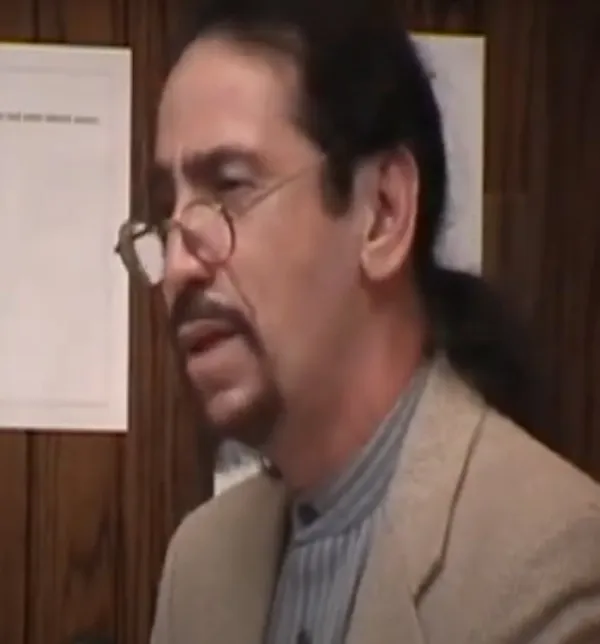
Someone asked me the other day for advice on collecting the best essays of the past 20 years. I recommended the new collection of Glen Ford’s called The Black Agenda. I recommend it to everyone — including people who are not black. I’m not black.
Glen Ford was my friend and an ally in the struggles for peace and justice. He was a leader and a brilliant and an always reliable speaker, writer, and organizer on anti-racism, anti-oligarchy, anti-poverty, and anti-war work. He was a key part of efforts to impeach George W. Bush (whose record we should all read Glen’s book to be reminded of it seems).
This book is worthwhile just for the preface by Margaret Kimberley and the autobiographical introduction by Glen. I’ve considered Glen central to U.S. activism since about 2000, which seems a long time to me, yet his incredible saga, recounted in his introduction, actually breaks off just about when I met him. The essays, however, are from the past 20 years
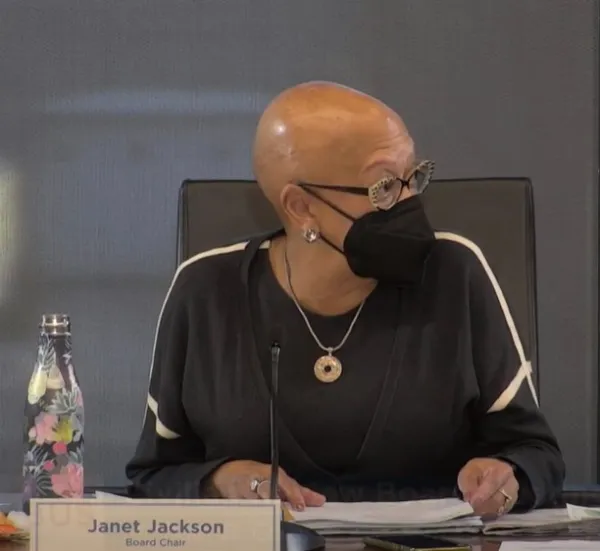
Six months in, the Civilian Police Review Board has not yet begun their work.
Over twenty years after citizens of Columbus began asking for a civilian board to monitor the actions of the Columbus Division of Police, they overwhelmingly voted in favor of creating this body in November 2020. The first 11-member board was appointed by Mayor Andrew Ginther and approved by Columbus City Council in July of 2021.
The Civilian Police Review Board or CPRB has two jobs: to hire and supervise an Inspector General (IG), and to serve as a standing administrative jury hearing cases investigated by the Inspector General.
Neither has happened yet.
At the first meeting of the CPRB in August 2021, Chair Janet Jackson expressed a hope that they would hire the IG by December. But during this month’s meeting (January 4, 2022) the topic was not on the agenda. Jackson, who was appointed Chair by Mayor Ginther, brought it up at the very end of the three-hour meeting, seemingly as an afterthought.
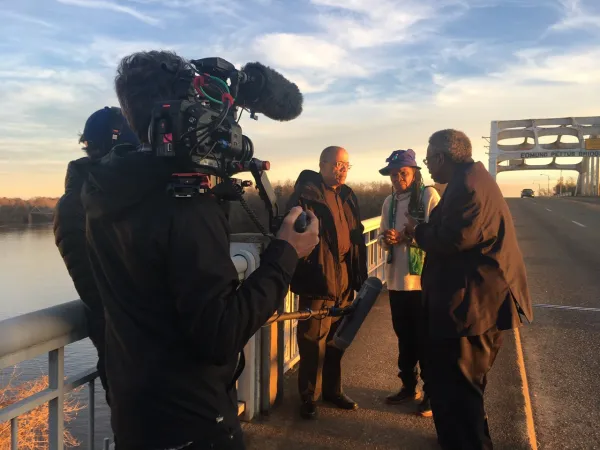
Interweaving lecture, personal anecdotes, interviews, and shocking revelations, the documentary "Who We Are: A Chronicle Of Racism In America" draws a stark timeline of anti-Black racism in the United States, from slavery to the modern myth of a post-racial America.
The main character is Jeffrey Robinson, a criminal defense lawyer in Seattle. Jeff is a storyteller who brings history to life, inviting American audiences of all races to view the history of racism in America, and the erasure of this history is a crime perpetrated on all of us. The ability to connect with almost any audience creates an electric atmosphere. The film choses New York’s Town Hall because of its anti-racist history and historical commitment to highlighting Black artists like Paul Robeson, Langston Hughes, Marian Anderson, and Billie Holiday, when many other doors were closed to them.
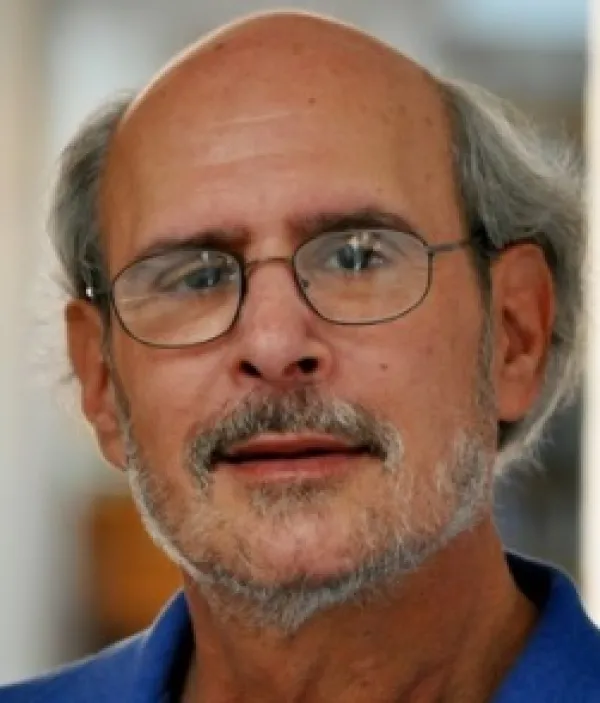
Columbus, Ohio, is the rare large U.S. city (14th most populous, second largest city in the Midwest, and third most populous state capital) that requires its state’s name for recognition. This is one sign of many that derive from the city’s identity crisis (as I have named it), its weakness as an urban place, and the failure of its major institutions and media. (“Columbus’ identity crisis and its media,” Columbus Underground, July 23, 2021.)

Love thy enemy? I get a chance to do so on a regular basis, thanks to the email (or nasty-mail) I sometimes get in response to my column, e.g.:
“Must be a dearth of anyone with anything intelligent to say for the News to put your drivel out for us to chew on. Not going to go over ridiculous points you made . . . not worth my time. Next time offer a cure. Otherwise it’s just reportage that we already know.”
I have an advantage here. When I get a communique like this, I know the writer read my column in a regular newspaper, not a progressive site on the Internet — and that’s a good thing for multiple reasons. One: The mainstream media is often fearful of a viewpoint like mine, which is critical of war and nukes and nationalism and border cages and such, so I always feel delight on learning I’ve made it into mainstream print. Two: Hearing from someone who hates what I’ve written is the essence of across-the-aisle communication. So what if the letter hits me like a verbal bullet? The writer exposed himself to a counter-viewpoint, expanding his awareness of the world. Let me do the same.
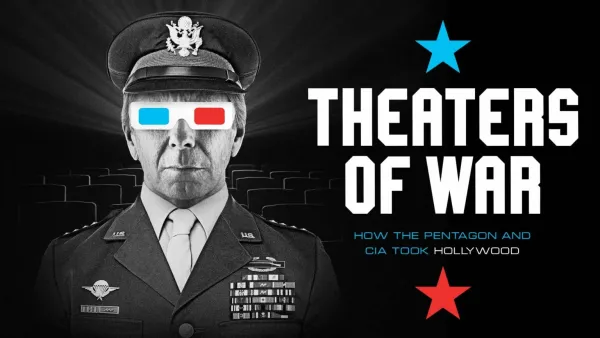
Propaganda is most impactful when people don’t think it’s propaganda, and most decisive when it’s censorship you never knew happened. When we imagine that the U.S. military only occasionally and slightly influences U.S. movies, we are extremely badly deceived. The actual impact is on thousands of movies made, and thousands of others never made. And television shows of every variety. The military guests and celebrations of the U.S. military on game shows and cooking shows are no more spontaneous or civilian in origin than the ceremonies glorifying members of the U.S. military at professional sports games — ceremonies that have been paid for and choreographed by U.S. tax dollars and the U.S. military. The “entertainment” content carefully shaped by the “entertainment” offices of the Pentagon and the CIA doesn’t just insidiously prepare people to react differently to news about war and peace in the world. To a huge extent it substitutes a different reality for people who learn very little actual news about the world at all.
“Texas patriots,” as they call themselves, call for secession from the Union, harkening back to their fictionalized idyllic days of the short-lived Republic of Texas. They fantasize about the war for independence from Mexico (fought to preserve slavery in Texas) and the recently reinvented “glories” of the battle at the Alamo. Texas Republicans legislate not only for “patriotic” history but for the removal of depictions of Mexicans in accounts and displays of the Alamo.
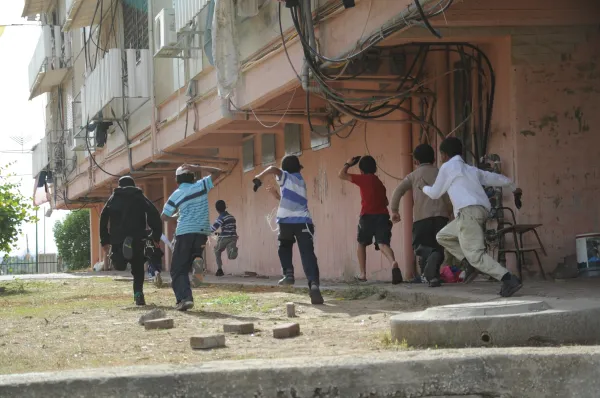
At the outset, the Israeli military decision to revise its open-fire policies in the occupied West Bank seems puzzling. What would be the logic of giving Israeli soldiers the space to shoot more Palestinians when existing army manuals had already granted them near-total immunity and little legal accountability?
The military’s new rules now allow Isreali soldiers to shoot, even kill, fleeing Palestinian youngsters with live ammunition for allegedly throwing rocks at Israeli ‘civilian’ cars. This also applies to situations where the alleged Palestinian ‘attackers’ are not holding rocks at the time of the shooting.

There are two top things about my profession. For me personally, a great benefit is being able to cover in person and even have access to great newsmakers who’d I’d probably never have the opportunity to meet and even talk to if I wasn’t a journalist. This ranges from seeing beauties such as Jennifer Lopez, Kerry Washington and Rosario Dawson in the flesh, reporting on Nobel Laureates the Dali Lama and Maria Ressa and interviewing geniuses like directors Oliver Stone and Alex Gibney. At the top of this list of notables who I’ve had the privilege, luck and honor to encounter is Archbishop Desmond Tutu, who died Dec. 26, prompting his homeland of South Africa to observe seven days of mourning this week.