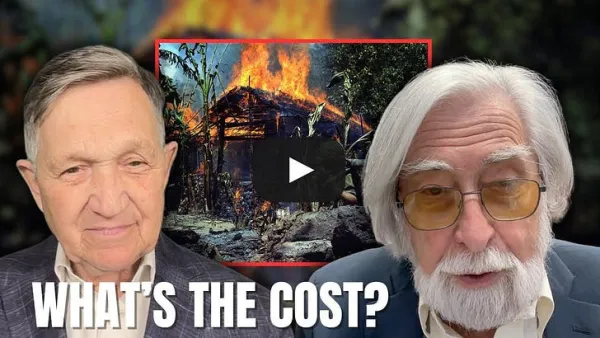
After detailing the devastating toll of the U.S.-backed genocide in Palestine, I joined my long time friend, famed journalist, host Robert Scheer on this episode of Scheer Intelligence to discuss my Kucinich Report articles, specifically honing on War Dust and Collateral Inhalation: Israel Breathes in Gaza’s Dust: A Forensic Study of the Self-Inflicted Consequences of modern warfare, which details the ecological effects of Israel’s relentless bombing campaigns on its close neighbor.
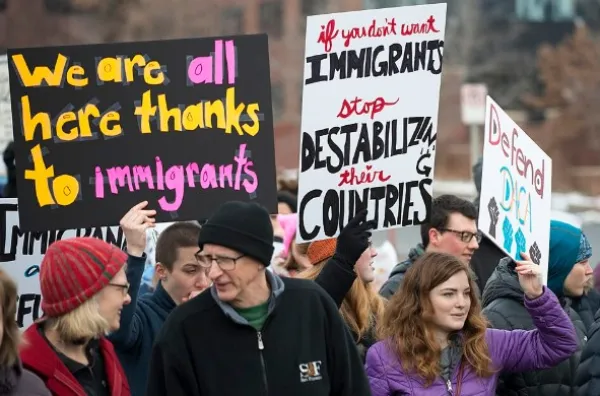
I recall seeing a sign in a yard in my small hometown of around 12,000 residents. “No matter where you are from,” it said, “we’re glad you are our neighbor.”
It was positioned defiantly, facing a Trump sign that had been plunged into the neighbor’s yard across the street. It poignantly illustrated the tensions in my rural Ohio town, which — like many similar communities — has experienced a rapid influx of immigrants over the last 20 years.
The sign’s sentiment was simple yet profound. I found myself wondering then, as I wonder now, when compassion had become so complicated. It seems everyone has become preoccupied arguing over the minutiae of immigration that they’ve missed the most glaring and essential point: We are neighbors.
While writing this piece, I gathered studies and prepared a detailed analysis of the ways immigrants have transformed and revitalized the economies of the Rust Belt. I was going to explain how immigrants have helped fill vacant housing and industry in this region’s shrinking cities to reverse the toll of population decline.
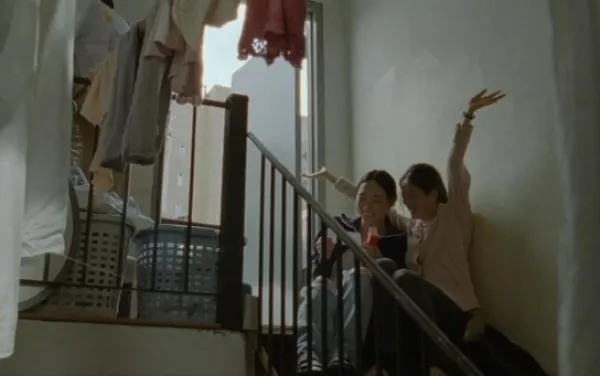
When you’re living in a foreign land, human connections can be as precious as they are rare. Maybe that’s the message of Constance Tsang’s debut feature film, Blue Sun Palace.
Then again, maybe it’s not. Writer/director Tsang doesn’t force an interpretation on you, any more than she tells you what to think of her characters, all Chinese or Taiwanese immigrants eking out a living in Queens, New York. She merely invites you to sit back and watch their stories unfold.
In the case of one of them, their story doesn’t unfold nearly long enough.
We first meet a young woman named Didi (Haipeng Xu) when she’s sharing a restaurant meal with Cheung (Kang-sheng Lee), a somewhat older man who seems to be a good friend and maybe a future boyfriend. The two clearly enjoy each other’s company, and Didi even invites Cheung to spend the night after he misses the last bus home.
The next morning, however, the couple’s relationship seems less certain. When Cheung begins talking about possibly sharing a home someday, Didi jokingly shuts him down, saying her ultimate plan is to move to Baltimore and open a restaurant with her friend Amy (Ke-Xi Wu).
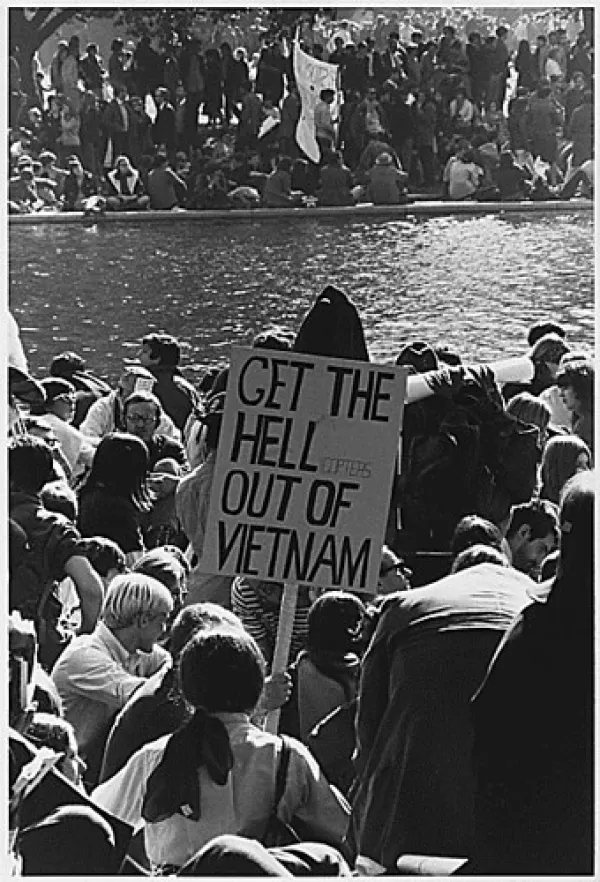
Eight years before the U.S.-backed regime in South Vietnam collapsed, I stood with high school friends at Manhattan’s Penn Station on the night of April 15, 1967, waiting for a train back to Washington after attending the era’s largest antiwar protest so far. An early edition of the next day’s New York Times arrived on newsstands with a big headline at the top of the front page that said “100,000 Rally at U.N. Against Vietnam War.” I heard someone say, “Johnson will have to listen to us now.”


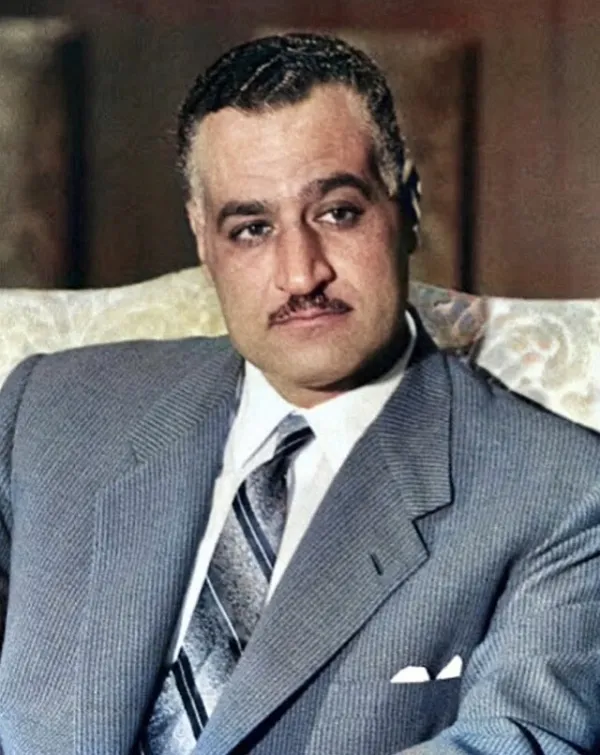
For my father's generation, Gamal Abdel Nasser wasn't just another Arab leader; he set the standard by which all others have been measured, and none have quite reached it.
For the Arab masses, and Palestinians in particular, Nasser was an icon. His heroic image, in the eyes of Palestinians, took hold in Al-Faluja, a key pocket of resistance against the Zionist takeover of historic Palestine in 1948.
This small village in southern Palestine came under a significant Israeli military siege, trapping Nasser, then a Major in the Egyptian army, along with thousands of Egyptian officers. The siege lasted for months, ending in February 1949, but only after the Egyptian soldiers had put up remarkable resistance.
Every year, WGRN 91.9FM radio commemorates their Earth Day Birthday to celebrate their first broadcast in April 2016. This year they partnered with WCRS 92.7/98.3FM community radio to hold a special celebration at El Vaquero with food, drinks, an awards ceremony and more.
The Earth Day Birthday celebration was held Saturday April 19 at the El Vaquero party room, 3230 Olentangy River Road
Awards recipients:
Producer of the Year:
Evan Davis, producer of "Conscious Voices" and "Your Music" and a long-time supporter of community radio in central Ohio.
Evan comes from a family of artists and social justice activists. His grandparents were charter members of the Pacifica Radio station KPFK in Los Angeles, where his mother, folk singer Leslie Zak, was an occasional guest on the children's music show, Half Way Down The Stairs. As a child he attended numerous protests against the Viet Nam War, and would later organize protests in Columbus against the US war on Iraq.
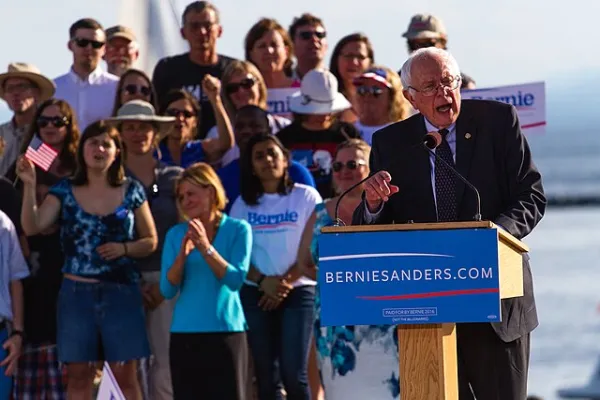
Back in 2016, I was convinced that, had Bernie Sanders won the Democratic presidential nomination, he would have beaten Donald Trump because he would have taken some of Trump’s White working-class voters. So here’s my fantasy for election 2028 — you know, the one in which Trump (the man who once threatened to be a dictator for a day) is now threatening to run again either as vice-president (and then have President Vance step aside to give him a third term) or in some other unknown but similarly unconstitutional fashion: I happen to think that, in 2028, Bernie Sanders should indeed run again, facing JD Vance or (for all we know) Donald Trump.