
Opinion
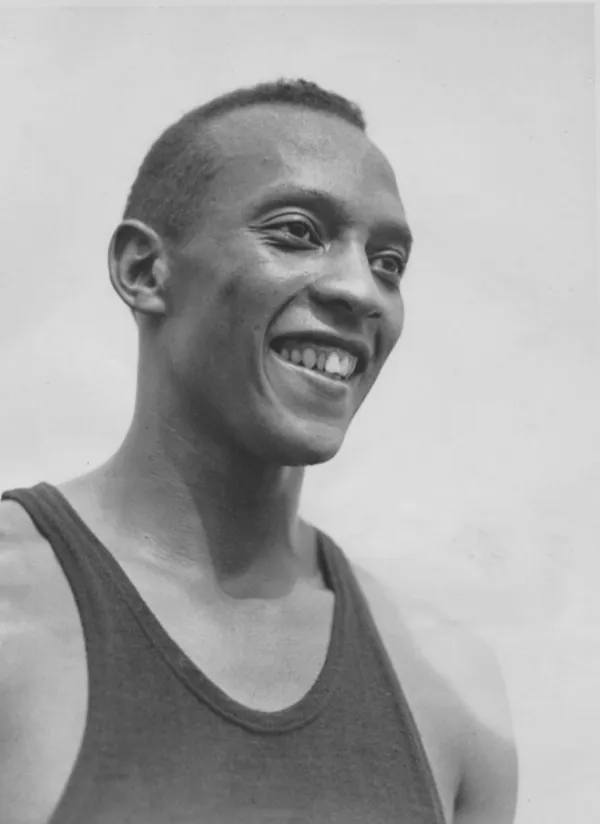
As the summer sun rose on Wednesday morning (July 1st) Christopher Columbus was banished from the courtyard at City Hall. What also could be replaced is the name of our city, but that could take years.
The questions now being asked are, what should replace either?
One answer is not so difficult, the other far more challenging. But perhaps necessary if “Columbus” wants to remain a Midwest boomtown and attract young people, who have been trending more and more progressive even before Trump.
City Council President Shannon Hardin on Twitter has asked for suggestions regarding what to replace the Columbus statue with. He specifically said “art,” not a historical person.
Tasked with replacing the statue is the Columbus Art Commission, and Hardin has promised it will be a “public process.” Hopefully that will be the case when it comes to changing our police department.
“Council is focused on eradicating systemic racism, police misconduct and social injustice through every means possible,” wrote Hardin in the tweet announcing suggestions to replace the Columbus statue.
As a sociologist, my area of specialty is the study of social movements. Specifically, I am interested in how social movements represent themselves visually. In other words, protest art is something I can really geek out on.
However, being neither an artist nor someone who has been able to attend protests due to health concerns, I knew I would miss part of the story if I wrote this one on my own. To get more perspective, I decided to talk to a better-informed friend.
Claressa Dalloway is an artist who has been actively involved in many of the protests in downtown Cbus. As such, she is familiar with events as they took place in the height of the protest in May and early June. We decided that the best way to interact with the art was to pick a point near the Statehouse, and just start walking.
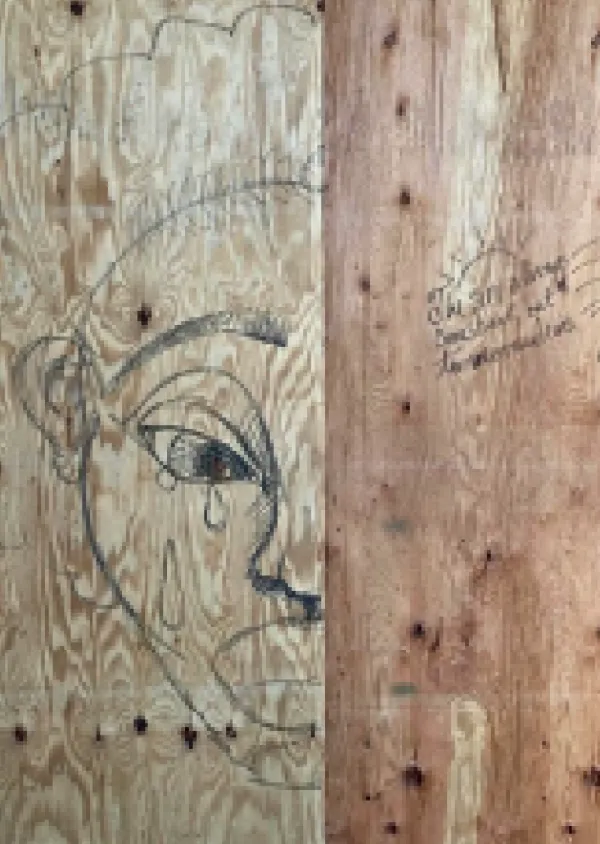
FIRST ART PIECE: FACE CRYING - ABOVE
JB: “So, here is one. What do you think about this one?”
CD: “A lot of the windows are boarded up, so a lot of the art that is similar to this.
On my 5th anniversary as a columnist for the Columbus Free Press, I will forgo commenting on the media and political scene and, instead, share my day-to-day reflections on the first two months of the pandemic.
It started on March 15 when I and 11.7 million Ohioans were ordered to shelter in place. I wondered how I would cope. I decided to write my way through it with a nightly post to my 785 Facebook followers and anyone else looking in on the social network.
I initially prefaced my remarks with the following: "Captain's log: Day 1 completed in ContagionNation." After a few posts, I dropped the last part and simply wrote: "Captain's log: Day _." I finally ended the posts on Day 62.
Here they are:
1. I have nothing on my calendar for the next 2 months. Not even tennis. Please do same. Stay home. Hunker down. It makes me sad to stare into the abyss of social isolation, and I'm an introvert. I, we, and you must do our duty to starve this virus into oblivion. We will. More Courage.
2. Lights out.
3. Virus 1. Vote 0. (A reference to Ohio's delayed primary election.)
4. Dogs happy. Owners home.
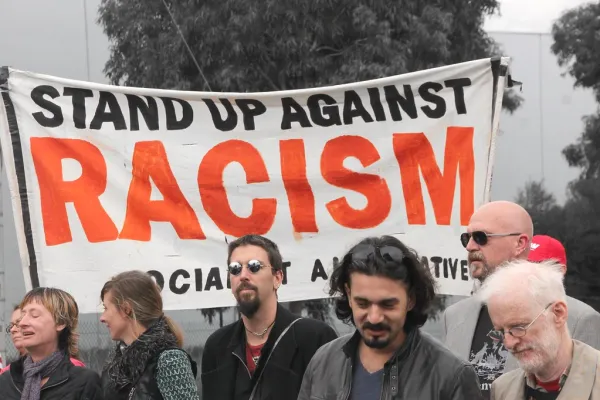
Topple a few statues, remove some iconic names from American institutions . . . and the ghosts of the past start to escape from history, filling the present moment. It’s called awareness.
Too much awareness can feel like chaos. Not surprisingly, a lot of people would prefer to stick with the old historical narrative, the one that’s so tried and true: This is the land of the free, the home of the brave, the birthplace of democracy. God bless America! (And forget about slavery, Native American genocide, racism, packed prisons, nukes, endless war, etc.)
The question of the moment is whether this narrative is gone for good. Are we merely in the process of making some superficial adjustments or has the national soul truly torn itself open? Will we stop short — once again — of creating a society of compassionate equality? Will we eventually (as soon as possible) retreat to another narrative of American exceptionalism and . . . uh, white power? Or are we in the process of real change?
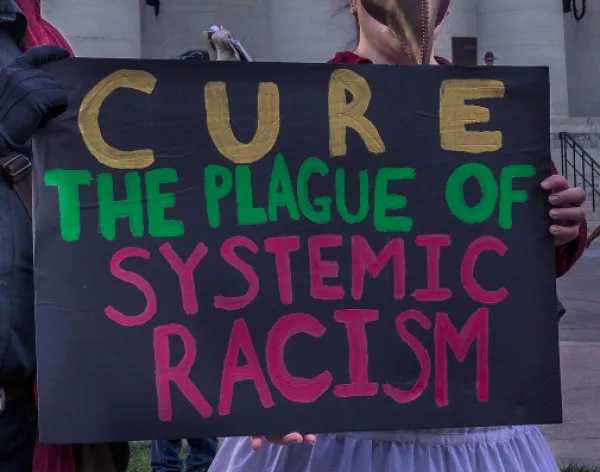
It’s maddening that the three words “Black Lives Matter” is so hard to say for some of our public officials. Those in the majority of the Ohio Assembly, where a resolution was introduced to declare racism a public health crisis earlier this month, would do our country a great service in urging their allies to learn to say it and mean it. But considering that the US Vice President won’t say it, those of us who’ve been in the streets proclaiming it shouldn’t be surprised when so few people in power are willing to use those words, let alone show up in the streets to say it with us.
As someone who’s worked with both organized labor and justice-seeking organizations from before the first shot in this recent uprising was fired—who has participated in dozens of direct actions, petition drives, and various other campaigns that either directly or secondarily had to do with racism—I have a question. As someone who, like anyone with a shred of empathy within them, was horrified in watching any portion of the 8:46 video in which yet another police officer murdered another Black man, I have a caveat to this support.
The past month’s activism has changed a great deal. One thing it’s helped with is brushing aside the tired old argument over whether government should be big or small. In its place we have the much more useful argument over whether government should prioritize force and punishment, or focus on services and assistance.
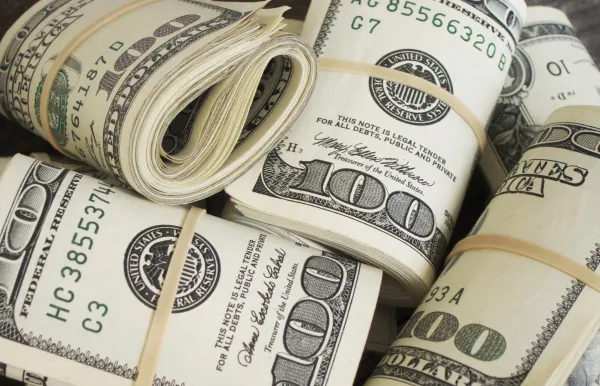
If we want local and state governments that provide experts in de-escalating conflict, professionals to assist those with drug addictions or mental illness, and skilled experts at handling traffic or responding to various sorts of emergencies, the funding is easily and logically found. It’s sitting in the oversized budgets for armed policing and incarceration.
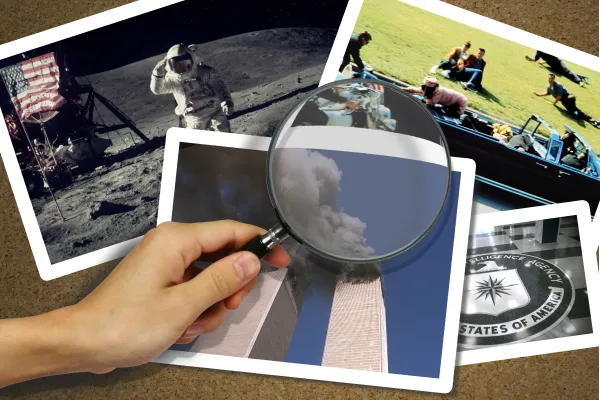
The most commonly reported mainstream media account of the creation of the Coronavirus suggests that it was derived from an animal borne microorganism found in a wild bat that was consumed by an ethnic Chinese resident of Wuhan. But there appears to be some evidence to dispute that in that adjacent provinces in China, where wild bats are more numerous, have not experienced major outbreaks of the disease. Because of that and other factors, there has also been considerable speculation that the Coronavirus did not occur naturally through mutation but rather was produced in a laboratory, possibly as a biological warfare agent.
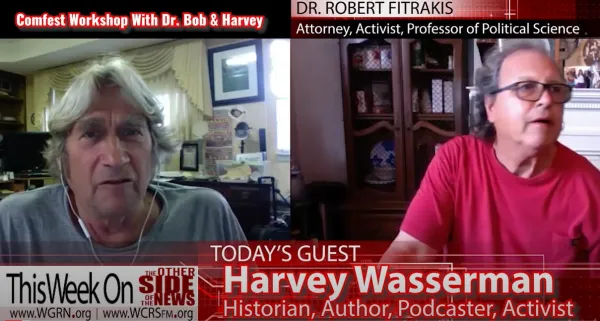
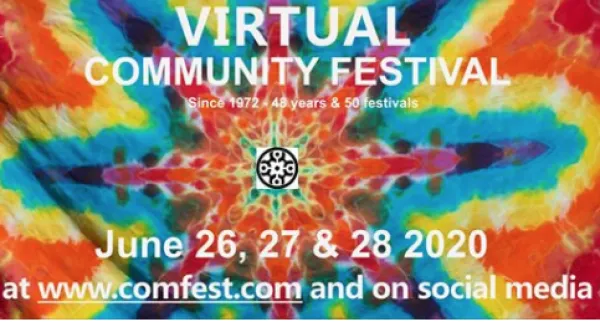
Friday, Saturday & Sunday June 26-28th, 2020
Hosted at https://www.comfest.com/virtual-comfest-2020/ and on our Facebook page
Facebook event
Comfest Facebok page
Featuring performers, workshops, Street Fair vendors, Community Organizations, and a Program Guide for 2020.