
Opinion
The CDC announced on September 1 a moratorium on residential evictions nationwide through the end of the year. While it falls short of what activists have asked for, it is a welcome relief to many. This order comes in the wake of massive political unrest, a spike in evictions and homelessness, and a looming wave of evictions working their way through the courts, brought on by millions of people losing income in the COVID crisis.
In Columbus alone, there have been hundreds of eviction hearings per week for the last month, with eviction courts being moved to the Convention center to allow for COVID precautions and to handle the increased workload. Activists have been working overtime, trying to get information, assistance, and masks to people facing evictions in crowded hearing schedules.

I will not be a part of the killing of any child no matter how lofty the reason.
Not my neighbor’s child. Not my child. Not the enemy’s child.
Not by bomb. Not by bullet. Not by looking the other way.
I will be the power that is peace.
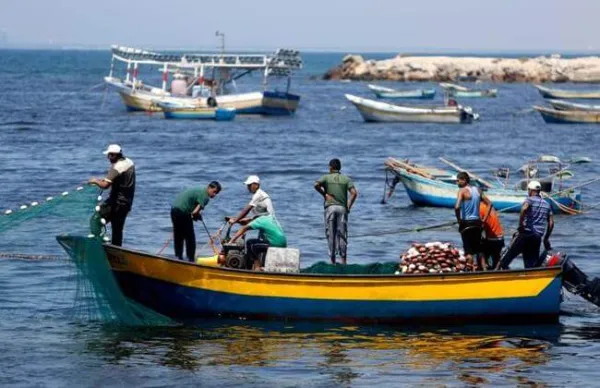
On August 16, the Israeli navy declared the Gaza sea a closed military zone. A few days later, a group of Gaza fishermen decided to take their chances by fishing within a mere two or three nautical miles off the Gaza shore. No sooner had they cast their nets, Israeli navy bullets began whizzing all around them.
Soon after the incident, I spoke with one of these fishermen. His name is Fathi.
“My wife, my eight children and I, we all live off fishing. The Israeli navy shot at us today and asked us to leave the sea. I had to return to my family empty-handed, without any fish to sell and nothing to give to my children,” Fathi told me.
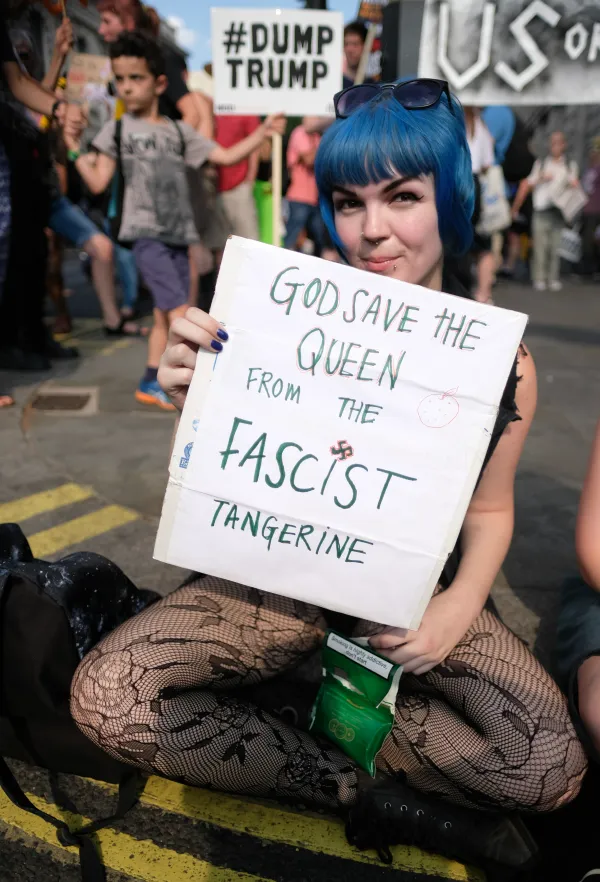
One result of the Republican convention will be a drop in the number of progressives who are in denial about the Trump regime’s momentum toward fascism. This week’s relentlessly unhinged GOP gathering has probably done more to win votes for Joe Biden from the left than last week’s Democratic convention did. And that points up a problem.
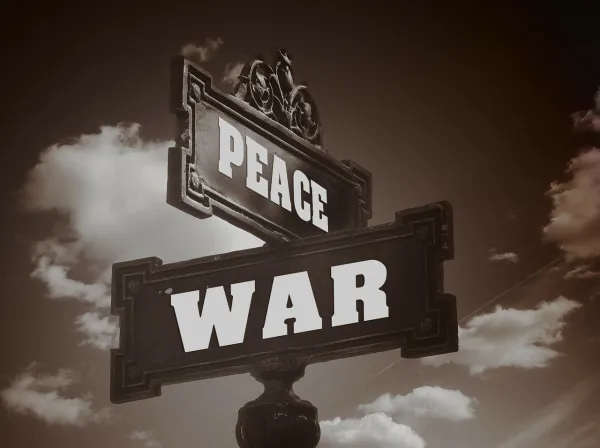
This looks like the beginning of a civil war.
The chaos and violence in Kenosha, Wisconsin are unfolding as I write. I feel as though I’m watching some natural disaster develop, suddenly overpowering any hope for social change “before it’s too late.”
Is it already too late — that is to say, too late to disarm our concept of social order and, for God’s sake, safety? The American problem of guns is not only that there are so many of them, vastly more than there are people; and that they are deemed, by so many Americans, necessary for survival and empowerment, commanding a reverence in the collective imagination right there alongside the flag and the cross; but also, that they are inextricably linked, in so many ways, with American racism.
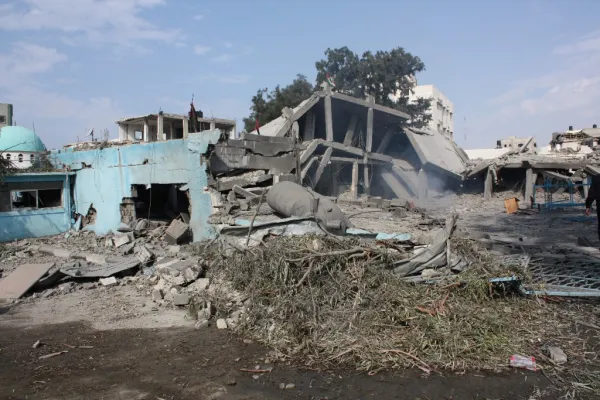
Only recently, the Palestinian group, Hamas, and Israel seemed close to reaching a prisoner exchange agreement, where Hamas would release several Israeli soldiers held in Gaza while Israel would set free an unspecified number of Palestinian detainees held in Israeli prisons.
Instead of the much-anticipated announcement of some kind of a deal, on August 10, Israeli bombs began falling on the besieged Strip and incendiary balloons, originating in Gaza, made their way to the Israeli side of the fence.
So, what happened?
The answer lies largely—though not entirely—in Israel, specifically in the political conflict between Israeli Prime Minister, Benjamin Netanyahu and his right-wing political camp, on the one hand, and their government’s coalition partners, led by Defense Minister, Benny Gantz, on the other.
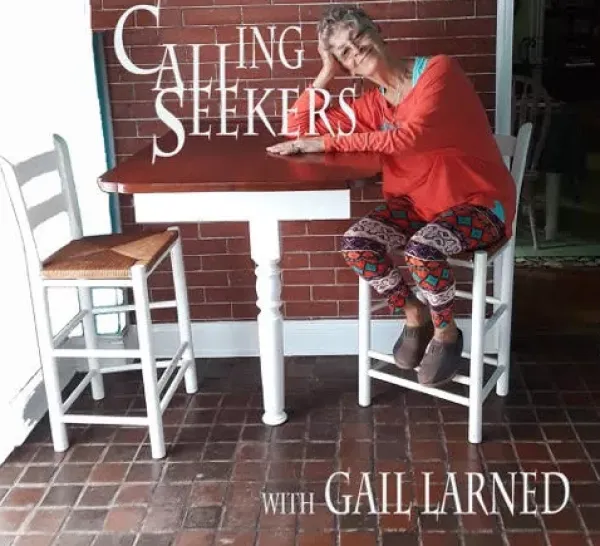
Definition from the Greek paradigm meaning pattern: “A paradigm is a scheme for understanding and explaining certain aspects of reality.”
For the last 2000+ years we’ve been in the Piscean Age which focuses on, among other values, money, power and control. The Aquarian Age is the new paradigm we entered in 2012. The focus of the Aquarian Age is love, brotherhood, unity and integrity. This book talks about the paradigm shift that we are currently experiencing on Earth. Paradigm Shifts don’t happen quickly; they can take hundreds of years to emerge, yet it seems like an abrupt change. As we saw in Who Moved My Cheese, people resist change and cling to the status quo with everything they’ve got. In our world today we see intense tribal and ethnic loyalties. Politics has become polarized all over the globe; you either agree with me or you are my enemy.
We’re still in the throes of this birthing process: bringing forth the new world order. As painful as the process is, no matter how tenaciously we cling to the old ways, the new paradigm WILL arise out of the ashes of the old paradigm.

David Rovics' political commentary through songs can all be found as episodes on the Song For Today podcast. Everything else can be found as an episode of the podcast, This Week with David Rovics. Both podcasts are at least allegedly available on all the usual podcasting platforms. They can also both be found front and center at davidrovics.com and on the David Rovics mobile app, as well as on the audio feed you can subscribe to via
Systemic racism. According to some sources it’s a form of racism that is embedded as a normal practice within society or an organization. Recently, Merriam-Webster has decided to change their definition of racism to reflect systemic oppression and examples of such actions. I don’t have to read someone else’s definition of systemic racism. In fact, no minority person, who is aware of what it entails, needs to read it. We live, hear about it and see it, almost daily.
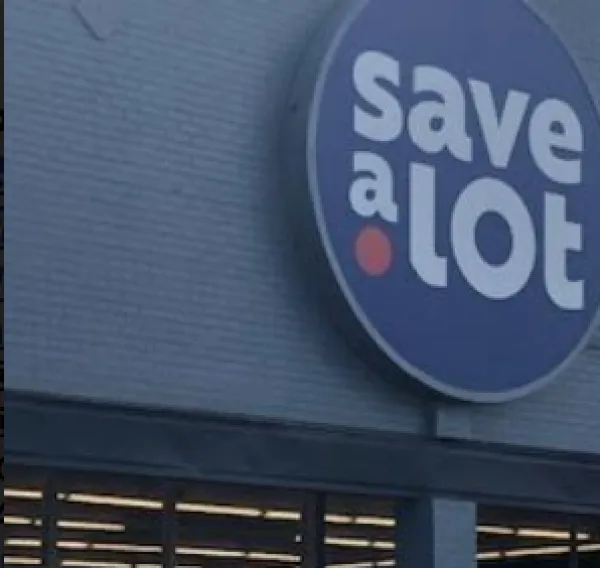
It happens everywhere, even in the grocery line. I was fourth in the line at Save-a-Lot in Northern Lights on Cleveland Ave, which is in a minority area. The line had stopped moving and I heard the security guard, white, say “Where’s your receipt for that?” in an aggressive manner to a clean cut, nicely dressed middle aged Black man. The man was speaking in low voice tone and I didn’t hear his response. The guard said, “How do I know you brought that across the street?”
The first 10 minutes of Rebuilding Paradise are harrowing.
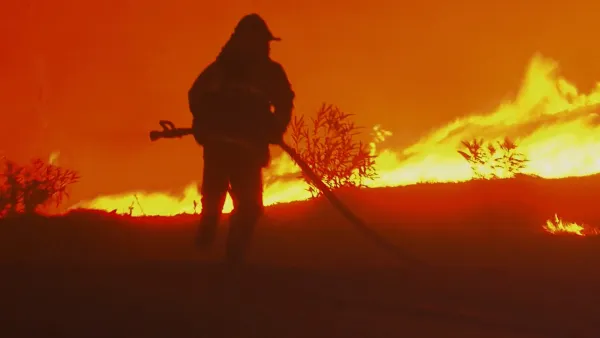
Ron Howard’s documentary is mostly about the aftermath of the November 2018 “Camp Fire” in Paradise, California, but first it shows us the fire itself. With the help of cellphone and dashcam footage, it recreates people’s terror as they attempt to escape a wildfire that engulfed their town only minutes after originating on a nearby hillside.
In one particularly hair-raising moment, we find ourselves inside a vehicle barreling along a road that has turned into a fiery obstacle course. Meanwhile, the air is so filled with smoke that the day appears to have turned to night.
The danger is real, we learn. By the time the fire is brought under control, 85 residents of Paradise are dead. Of those who survive, most have lost their homes, along with schools, municipal buildings and services.
Following this terror-stricken beginning, Howard’s documentary evolves into a month-by-month account of attempts by residents and officials to revive a community that has been largely destroyed. The result is a film that’s sincere and warmhearted.
And, it must be said, just a little dull.