
Opinion
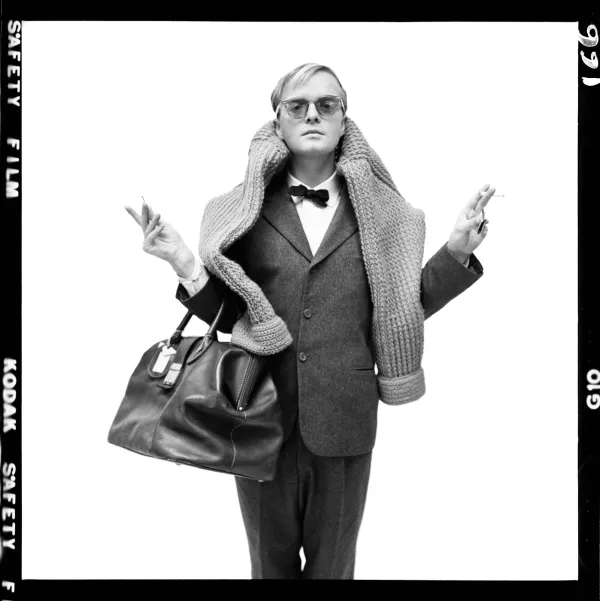
On this day – August 25, 1984 – Truman Capote died and a new documentary sheds light on his life and writing.
In Cold Blood author Truman Capote is one of the most storied American writers of the second half of the 20th century. Capote’s greatest talent may have been off-page, when he was onstage and center stage, promoting his image, endlessly appearing on TV talk shows hosted by Dick Cavett, David Frost, Johnny Carson, etc., cleverly, calculatingly cultivating what his contemporary, Norman Mailer, called “advertisements for myself.”
As he well knew, Truman’s unusual appearance made him instantly stand out in a crowd: This fish out of water was more or less openly gay when it was strictly taboo; diminutive if dapper; a Southerner amidst Manhattanites; possessor of a unique speaking voice; and wielder of a wry wicked wit. Later in life substance abuse, alas, made the author even more of a spectacle.
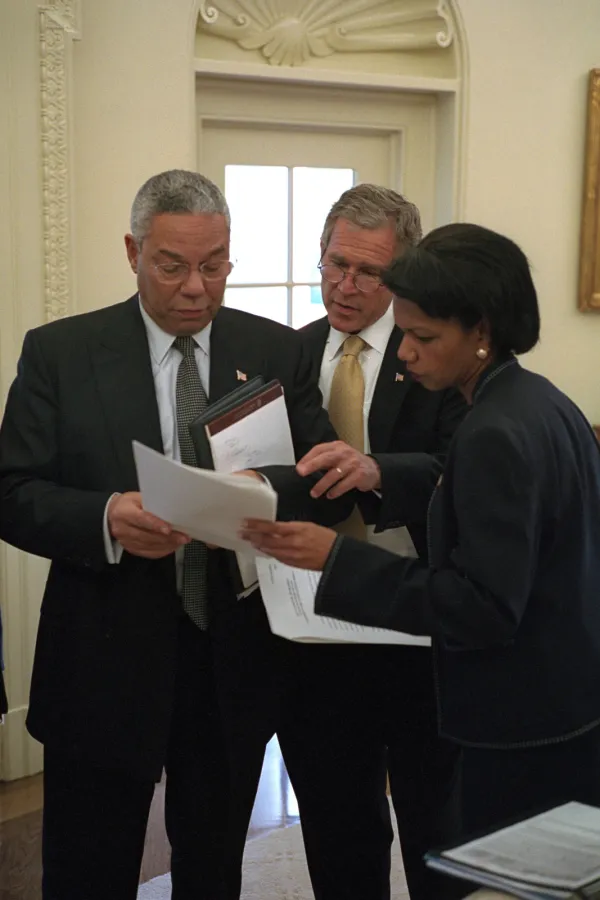
If you want to know how the United States wound up with “government by stupid” one need only look no farther than some of the recent propaganda put out by members of Congress, senior military officers and a certain former president. President George W. Bush, who started the whole sequence of events that have culminated in the disaster that is Afghanistan, is not yet in prison, but one can always hope.
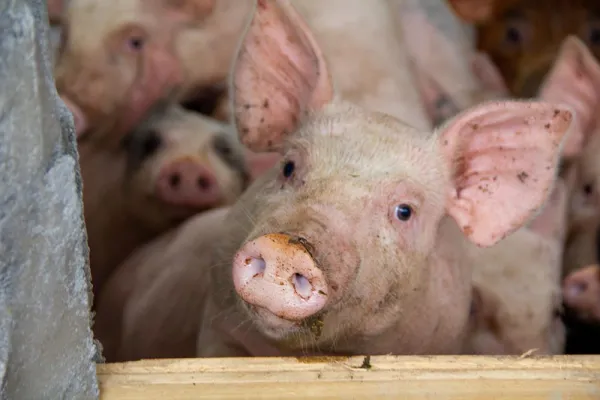
In the 1980s, the animal rights movement was a sorry sight. In Chicago, it consisted of three to five activists handing out soggy leaflets in the rain outside a fur store on a Saturday, one also holding his skateboard. No one remembered to bring the signs and no one could agree whether to protest carriage horses or captive whales at the Shedd Aquarium on the next Saturday.
Passersby were abusive. “Your shoes are leather,” they would yell, a simplistic syllogism that both meant human use of animals was inextricable and that we were hypocrites. Our shoes were not leather.
“Get a job,” they would yell, an absurd allegation since demonstrating on Saturday did not mean we did not have a jobs –– we did.
“Why aren’t you helping people?” they would accuse, listing crack babies, AIDS patients and the homeless. Some of our more interactive activists would fire back, “what are YOU doing for people,” which produced a mute silence. Who were the hypocrites?
“You people are clowns,” we also heard a lot –– and worse.

My city sits on the western edge of a body of water that has figured large in the nation’s history, Lake Erie. My wife and I are fortunate to live in the part of Toledo where the lake is literally our front yard.
Grade school history classes, consisting mostly of memorizing wars and generals, taught that in the first battle for Lake Erie a small American fleet of wooden ships built in Erie, Pennsylvania, by Commodore Oliver Hazard Perry, defeated the British in the War of 1812 and that’s the reason Michigan and Ohio are not the southern boundary of Canada.
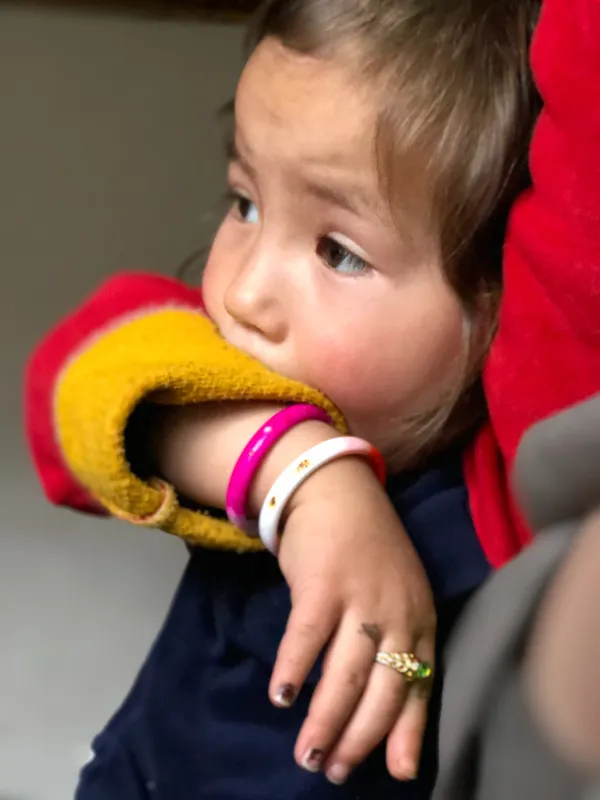
The U.S. and other governments are not making the priority of rescuing endangered people from Afghanistan that a consumer of Hollywood movies might imagine being made were the endangered people Jews in Nazi Germany.
Sadly, the reality in the 1940s was no different from today. Major investments went into wars, and Western officials wanted no large numbers of refugees. They opposed them for openly racist reasons, exactly as if they worked for Fox News in 2021 only worse.
If only Afghans today were Jews back then, . . . it wouldn’t make a damn bit of difference. Saving human lives just does not rank up there with eliminating human lives as a national priority — not that anybody has to be reminded of that during the COVID pandemic.
If you were to listen to people justifying WWII today, and using WWII to justify the subsequent 75 years of wars and war preparations, the first thing you would expect to find in reading about what WWII actually was would be a war motivated by the need to save Jews from mass murder. There would be old photographs of posters with Uncle Sam pointing his finger, saying “I want you to save the Jews!”
Wakeup Calls
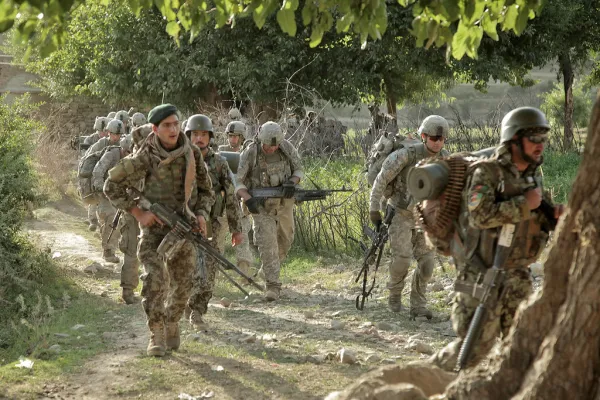
As the Afghanistan Armageddon unravels, this humiliating, devastating defeat for the US and its allies and the 20th anniversary of 9/11 (and who knows what may take place to mark that day?), plus the June 29 death of war monger extraordinaire Defense Secretary Donald Rumsfeld, are wakeup calls. They offer Americans the chance to reflect upon, reconsider and rethink Washington’s disastrous, interventionist foreign policy. After 20 years of war, the retreat of US forces from the Afghan Theater – an ass-kicking of Biblical proportions – is a reminder of the limits of American power and overreach.
The US foreign policy establishment has again been exposed for its extraordinary imbecility, incompetence and an arrogance of Greek tragedy dimensions. As Kabul goes the way of Saigon 1975 and the September 11th sneak attack is commemorated, along with our ongoing racial reckoning, the USA also has a rare golden opportunity for an Imperial Reckoning, a Perestroika in how America – the global busybody – interacts with the rest of the world.
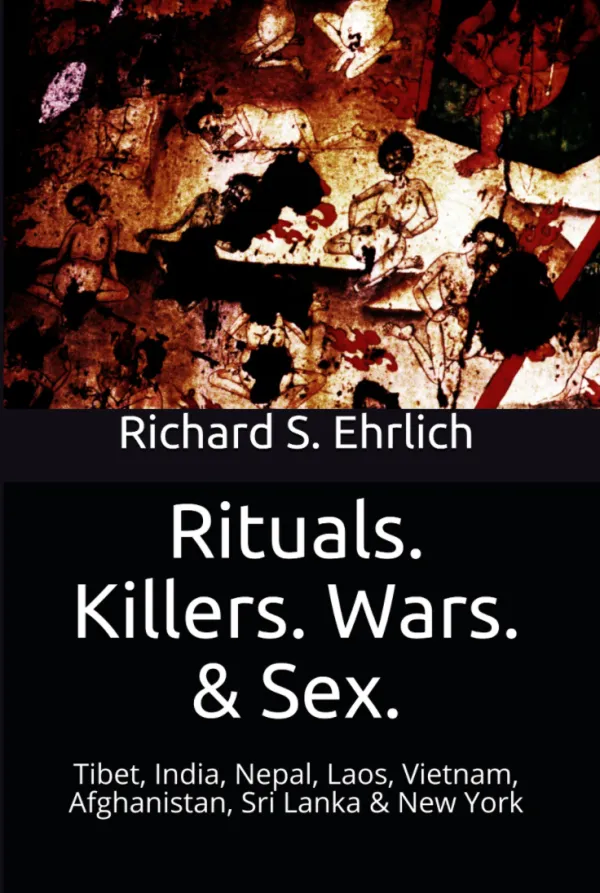
Book Review: Rituals. Killers. Wars. & Sex.
By Pete Johnson
Richard S. Ehrlich's book, "Rituals. Killers. Wars. & Sex. -- Tibet,
India, Nepal, Laos, Vietnam, Afghanistan, Sri Lanka & New York," is a
compilation of his experiences as an American foreign correspondent
based in Asia.
Ehrlich's introduction says his "news stories portray fragments of
people and their distant voices."
As a result the book is fragmented.
Although it is divided into four chapters, the chapters are not
related to each other, so it is really four stories.
The four stories -- the title of the book, "Rituals. Killers. Wars. &
Sex" -- are related to each other geographically, as they are stories
originated in Asia.
The four stories are interesting, they are a window into the dark
underbelly of Asia.
Chapter 1 "Rituals" describes four specific bizarre Asian rituals
involving death.
This reader was completely unaware of all four of these practices,
which are driven by geography and, of course, religion.

Columbus' metropolitan area now boasts over a dozen 100% vegan restaurants:
Ye's Vegan Asian Kitchen (Hilliard) Asian Food
The Little Kitchen (Dublin-Bridgepark NorthMarket)
Green House Canteen (Grandview)
Vida’s Plant-based Butcher (Grandview)
& Juice Co (Clintonville) Fresh Pressed Juices daily, and lovely weekend brunches and a monthly special dinner
Eden Burger (OSU Campus) Vegan Burgers, Fries and Milkshakes, other vegan Americana foods and incredible desserts by Doughasis (another vegan bakery)
Nile Vegan (OSU Campus & Grandview)
Ethiopian 4th & State (Downtown Columbus)
Two-Dollar Radio (German Village/Parsons Ave Columbus)
Lifestyle Cafe (Old Town East) Whole Foods meals from Waffles Soups Salads and Breakfast items and Bakery
Portia's Cafe (and Portia's Next Door in Clintonville)
Portia's Diner (Clintonville) Her latest whole foods restaurant
Seitans Realm (Clintonville in October 2020)
Woodhouse Vegan Cafe and Space (Italian Village -4th Ave just off 670 offramps)
Willowbeez SoulVeg (North Market Downtown)
And the least secret agent of all . . . Agent Orange!
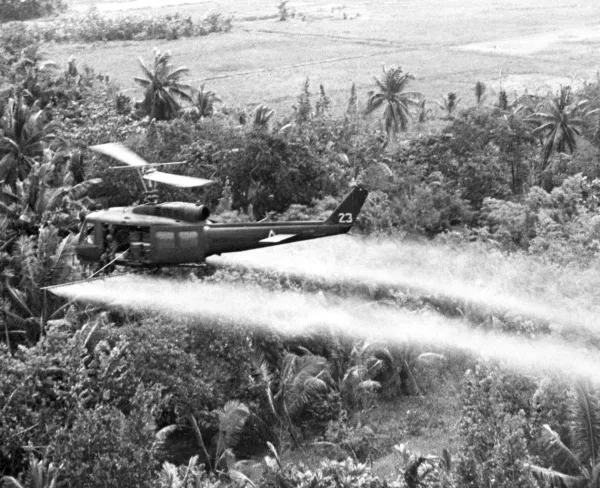
On August 10, 1961, the United States, several years before it actually sent troops, started poisoning the forests and crops of Vietnam with herbicides. The purpose: to deprive our declared enemy, the commies of Ho Chi Minh, of food and ground cover that allowed them to trek from North to South. It was called, innocuously, Operation Ranch Hand.
To sum it up as simply as possible, war is insane—and growing ever more so.
Agent Orange, the most powerful of the herbicides used in Operation Ranch Hand, contained dioxin, one of the most toxic substances on the planet. We dropped 20 million gallons of this and other herbicides on Vietnam, contaminating 7,000 square miles of its forests. Half a century later, we are fully aware of the consequences of this strategic decision, not just for the Vietnamese, the Laotians, the Cambodians, but also for many American troops: hundreds of thousands of deaths and debilitating illnesses, horrific birth defects, unending hell.

A 14-year-old former gang member of the “MBKs” or “My Brother’s Keepers,” told his story to the Free Press. He was living in the Hilltop, but now no longer lives near Mound Street because he was taken away from his mother and placed into foster care after spending a year in “juvy” or juvenile detention center. This is his story, mostly unfiltered. It is unfortunately a longtime reality of certain Columbus neighborhoods.
To be clear, the 14-year-old’s hair is fluffy light brown, his skin is milky white. He looks more Hilliard than Hilltop, but life is far more nuanced than stereotypes.
“The MBKs is mixed,” he tells us. “I was jumped in,” he adds, referring to his initiation.
“I robbed people. Downtown, the Short North,” he says. The Free Press could not independently corroborate his entire story.
He twists his hand around an imaginary handgun barrel. “With the silencer. That’s how you rob trap houses. I shot some people.” A trap house is where addicts repeatedly go for their fix.