
Opinion
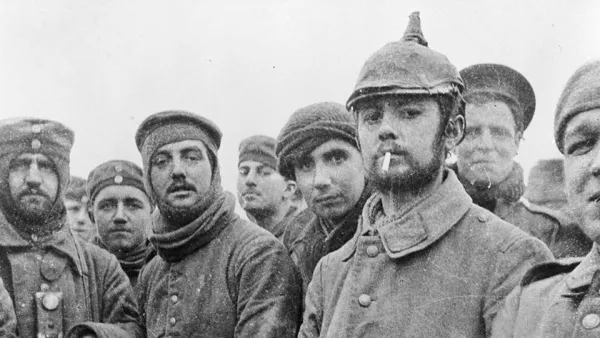
Ya gotta love how the U.S. media annually freaks out about a “war on Christmas” by which it means something completely unrelated to any wars, while the U.S. military always has several actual wars going on Christmas, the same as every other day. Perhaps especially on Christmas, as George Washington’s slaughter of drunk and sleeping British soldiers on Christmas 1776 has been rendered so “special” that it’s claimed as the very first in a string of millions of glorious “special forces” actions, and the wars now generally consist of oh-so-special actions.
What could possibly go wrong?
What passes for conventional wisdom nowadays is expressed by the cover headline of the November 29 issue of The Nation magazine, of all places:
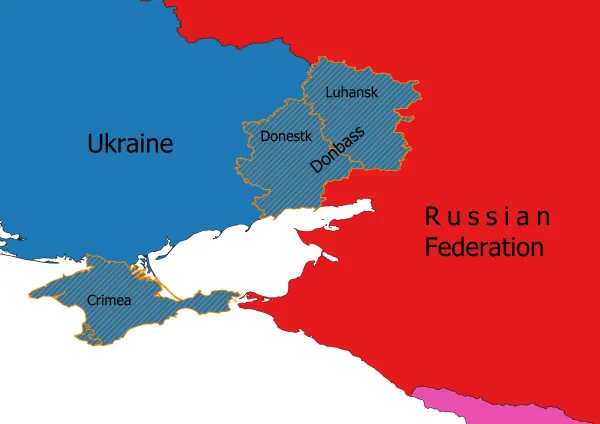
Ukraine: The Most Dangerous Problem in the World
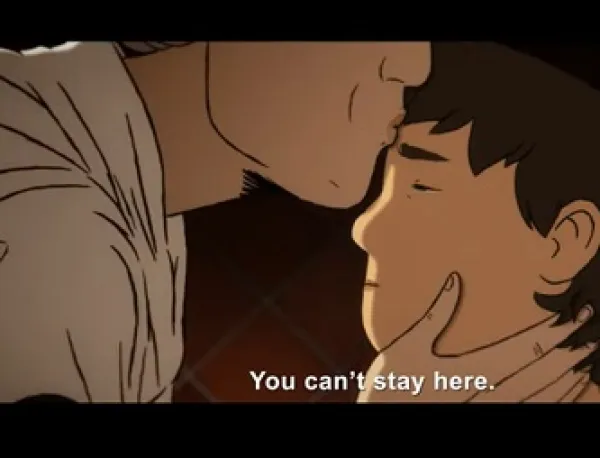
"Flee" tells the story of Amin Nawabi (Fardin Mijdzadeh), as he grapples with a painful secret he has kept hidden for 20 years, one that threatens to derail the life he has built for himself and his soon Saif (Milad Eskandari) to be husband. It's the story of a extraordinary journey as a child refugee from Afghanistan.
Beginning with the death of his father in Kabul when he was a young child, and continuing in Moscow, when members of his family made several harrowing attempts to resettle in Western Europe, Amin’s childhood was defined by periods of waiting, hoping, and fleeing. Too much pain and heartbreak remained lodged beneath the surface, and he feared for both his own safety and that of his family, so they left the idea knowing that they would re-visit it when the time feels right.
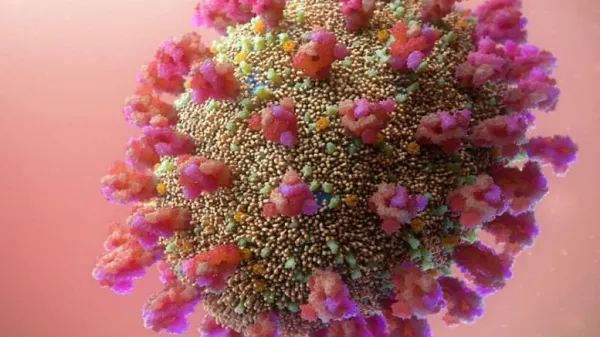
The decision by several governments across the globe to institute travel bans on seven African countries, starting on November 27, due to the discovery of a new Covid-19 variant, Omicron, was perceived to be hasty in the eyes of some and fully justifiable on medical grounds, in the view of others. However, the matter is hardly that of a difference of opinion.
The swiftness of choking off some of Africa’s poorest countries, including Botswana, Lesotho and Zimbabwe, is particularly disturbing if placed within a proper context concerning the impact of the Covid-19 pandemic on the Global South, generally, and Africa, in particular.
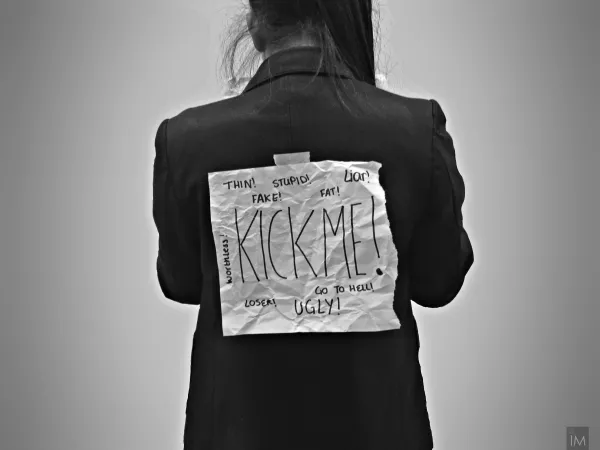
The glory of Pearl Harbor Day still lingered yesterday on Human Rights Day with a Democracy Summit wrapping up and Nobel So-Called Peace Prize laureates talking about U.S. government-approved and -funded journalism. U.S. media is dominated by Donald Trump and how he’s out of power at the moment. All is just going swimmingly in the steady march of freedom and goodness. If you pay no attention to the little man behind the curtain. Or maybe it’s a small army of little men behind a thousand curtains. We can discuss the many causes and motivations of deception and self-deception. Suffice it to say that once you look, listen, or smell for an instant at the actual state of the world, you can’t turn away, and you can’t stomach the pretty picture.
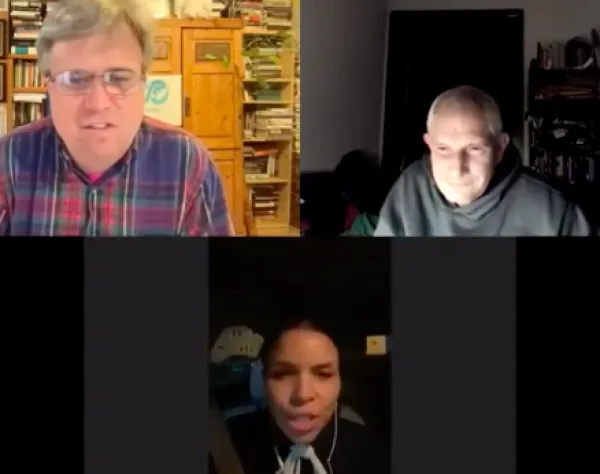
Mark Stansbery, Free Press Board member, started off the salon by introducing Travis Irvine.
Travis told us about the rally to support SB117 and HB351 and repeal the coal plant bailouts on December 9 and announced the showing of his new film Killer Racoons 2: Dark Christmas in the Dark. It will play at Studio 35 at 11pm on December 17 and 22, and is streaming online. He also mentioned another more serious film of his called How America Killed My Mother that is also streaming online.
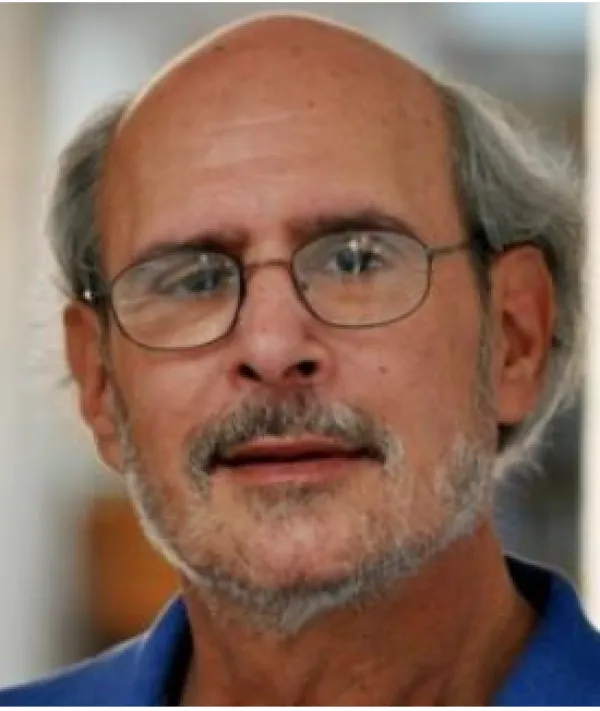
Fearing for his political life, at the end of August, Gov. DeWine joined the right-wing blinded parade in opposing teaching critical race theory in Ohio’s K-12 schools. Not only would this be anti-democratic (small d), unconstitutional, and a threat to the maturity of Ohio’s children, but it is based on a lie. [“Mike DeWine opposes teaching critical race theory in Ohio's K-12 schools” Columbus Dispatch, Aug. 31, 2021 (https://www.dispatch.com/story/news/2021/08/31/ohio-gov-mike-dewine-doesnt-support-teaching-critical-race-theory/5647715001/)]

Four students dead, six more, plus a teacher, wounded. Can you believe – another mass shooting last week. This one north of Detroit, at Oxford High School. A 15-year-old boy – and his parents – were arrested.
While the shock and collective horror are still fresh, before the news cycle moves on, a question resonates with every heartbeat. It’s always the same one: Why? Why? Why?
Partial answers abound. Mostly, we keep them to ourselves. Nothing changes. The accused killer, Ethan Crumbley, has been charged as an adult for murder. . . and terrorism. So what? Should we call in drone strikes on Oakland County? Bureaucratic “justice” is not going to keep us safe, any more than endless war has kept us safe.
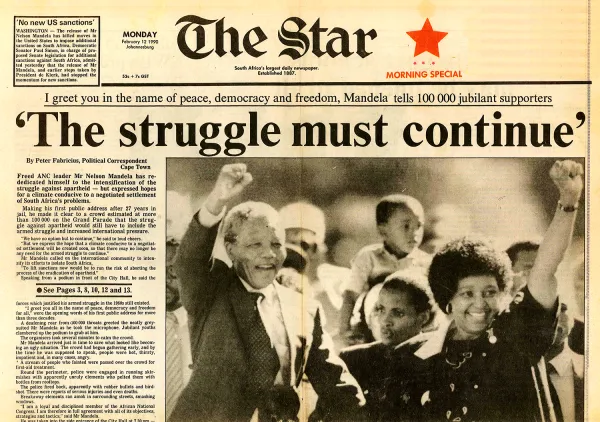
For whatever reason, some mistakenly perceive the Israeli newspaper, Haaretz, as liberal, progressive and even ‘pro-Palestinian’. Of course, none of this is true. This misconstrued depiction of an essentially Zionist and anti-Palestinian newspaper tells of a much bigger story of how confusing Israeli politics is, and how equally confused many of us are in understanding the Israeli political discourse.
On November 28, newly-elected Israeli President, Isaac Herzog, stormed the Ibrahimi Mosque in the Palestinian city of Al-Khalil (Hebron) with hundreds of soldiers and many illegal Jewish settlers, including the who’s who of Israel’s extremists.

Below this introduction is the obituary for Sarah Michelle Burris, who passed from a drug overdose in October. The obituary was written by her mother who wrote it “early one morning after not sleeping very much. The words are straight from my heart.”
“The love I have for my daughter never changed throughout the addiction,” Rhonda Burris told the Free Press. “I loved her every day the same as the day she was born. I miss her so very much, we all do. She was a beautiful soul.”
Sarah’s obituary first appeared in a London, Ohio, weekly paper, where Sarah was born and raised. We reprint it here because it reflects what we are learning from the “Saint of Sullivant Avenue” – Esther Flores.
Flores works tirelessly at her drop-in safehouse to take care of the “Street Sisters” who travel up and down Sullivant. Esther knew Sarah and used some of the exact same words to describe Sarah as her mother did. “She was a beautiful soul. Kind and polite.”
Sarah’s mother confirmed that her daughter’s battle against addiction was mostly fought on Sullivant Avenue, a long-time hotspot for trap houses.